A Florida couple blamed a state stormwater project for cracks, toxic mold and a snake-infested hole in their daughter’s bedroom; November 25 federal appeals judges renewed their request for emergency protection | World News

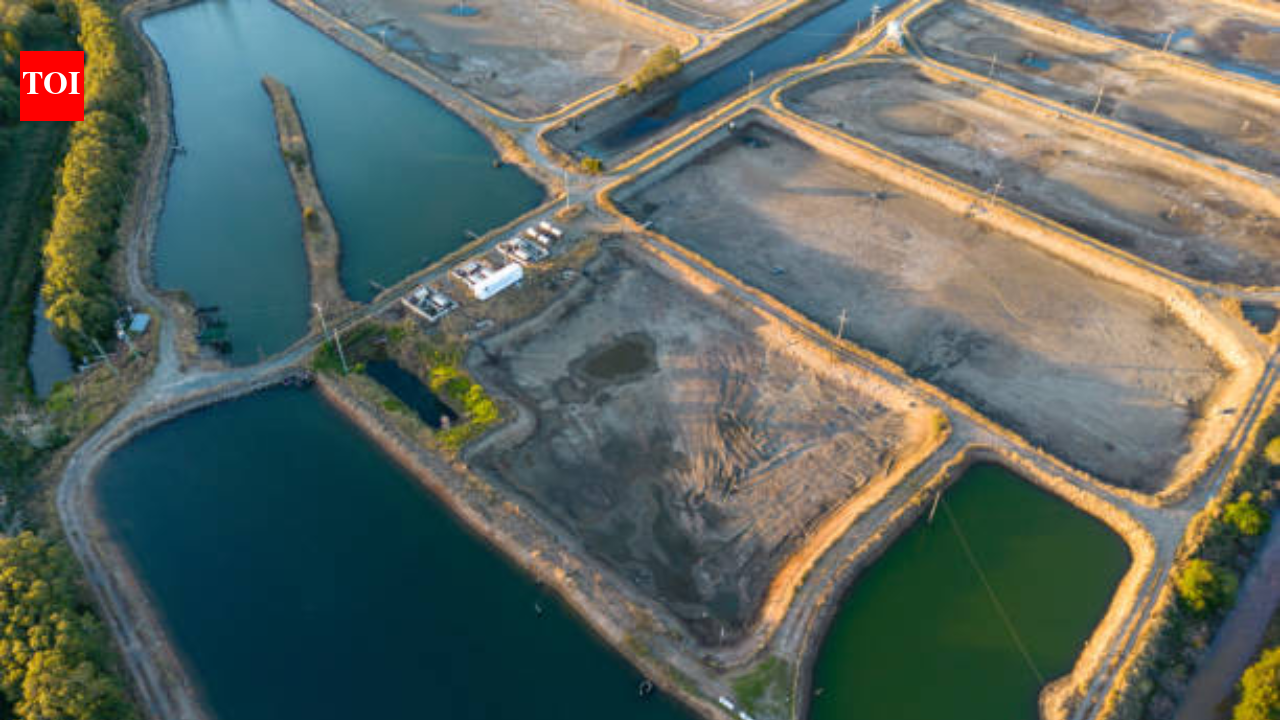
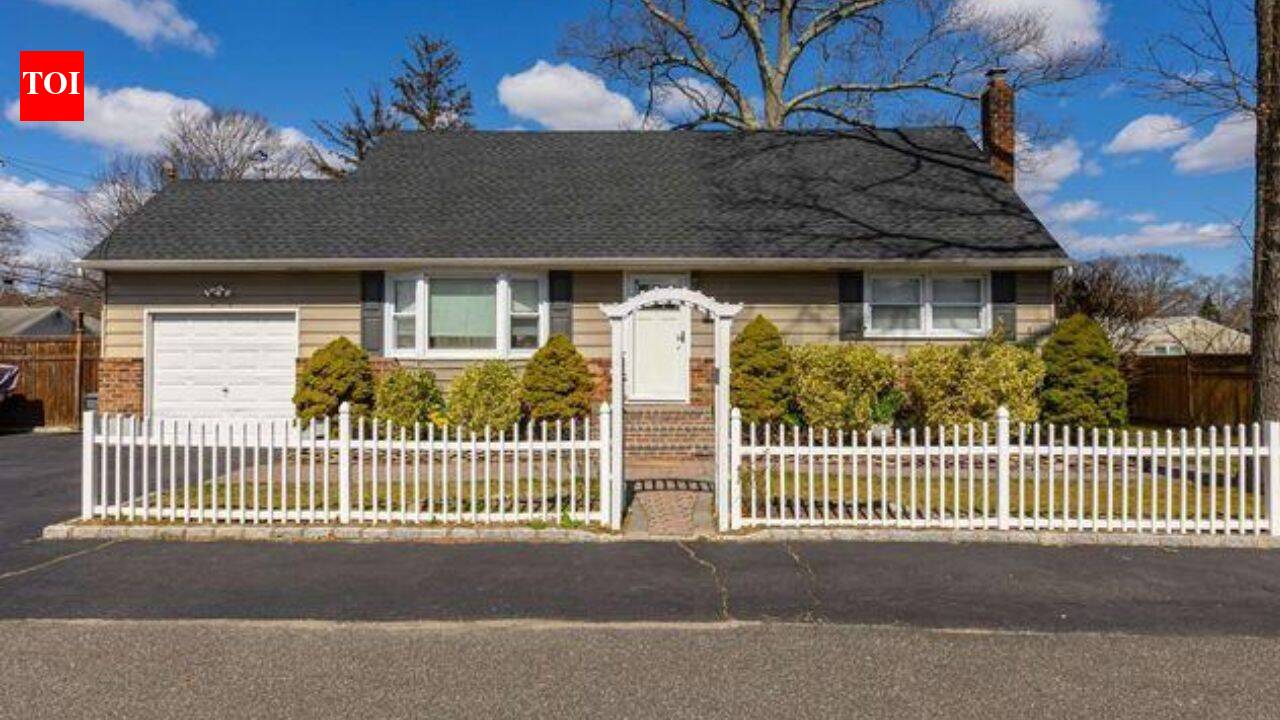
A Florida couple who claim their home was riddled with cracks, toxic mold and a hole that allowed a live snake to enter their daughter’s bedroom has a new chance to seek emergency relief after a federal appeals court overturned a lower court’s refusal to grant them a preliminary injunction. The U.S. Court of Appeals for the Eleventh Circuit on November 25 reversed an order denying William and Ashley Merryman’s request for a preliminary injunction against two Florida state agencies and officials. The couple alleged that violations of the Federal Clean Water Act related to stormwater pond work caused environmental changes and damage to their property.The appeals court did not issue an injunction or order the project to stop. Instead, it sent the case back to the district court, finding that the lower court had applied the wrong legal standard when evaluating the couple’s claim for irreparable harm.William and Ashley Merryman own a single-family home and property in Middleburg, Florida. According to the appeals court’s opinion, they began noticing environmental changes in July 2022, including a reduction in the water level in their pool and structural damage to their home that appeared to be related to moisture exposure. The couple stated that these problems were caused by the construction of a stormwater reservoir in Pine Ridge and alleged that the defendants failed to comply with the Clean Water Act. They first filed administrative complaints with government agencies, but they said this did not solve their problems.The Merrymans later filed a federal lawsuit without legal representation. Their legal action included several amended complaints after the district court dismissed the earlier complaints. They filed their second motion seeking a preliminary ruling by April 30, 2025. In this motion, the couple said they face health and safety threats due to structural damage, toxic mold exposure, groundwater intrusion and pest intrusion. They posted photos showing what they described as black mold and a large hole that a live snake had just crawled into in their daughter’s room.The district court rejected the request, saying that the couple had waited too long to seek emergency relief and had not shown that the alleged damages could not be resolved through ordinary litigation and monetary compensation.The court of appeals found error on both grounds. It said the lower court considered delay as a reason to deny relief without considering the relevant circumstances. The judges noted that the couple was independent and had to revise their complaints several times. These factors, the court said, can help explain the time taken to pursue emergency protection.This decision also rejected the idea that property damage can be automatically compensated for by money. It said that there is no absolute rule that damage to property will never amount to irreparable damage, especially when a household is involved. The Court of Appeal stated that the Merrymans were more than likely to lose money. Their complaint described the degradation of natural resources in the area they use for personal and recreational purposes, while their suspension of the order raised concerns about physical harm and health risks.The lower court, the appeals judges said, was too focused on property damage and failed to properly consider alleged recreational and physical injuries. He considered this incident of the snake as speculation because it was not yet clear whether it will enter again, without properly considering other allegations of the couple.The appeals court emphasized that a preliminary injunction requires a showing that the harm is probable, real and imminent, and that money damages may not be sufficient in some cases. It said the district court should have evaluated the couple’s claims in context rather than relying on a specific approach.The defendants raised additional arguments against granting a restraining order, including whether the couple could reasonably succeed in their case. The appeals court did not decide those questions because the district court did not address them.The case is now remanded for further proceedings in accordance with the opinion of the appeals court. The Merrymans’ request for emergency protection will therefore be reconsidered, but the decision does not guarantee that the state agencies have caused the alleged harm or that the couple will ultimately receive an injunction.
Source link