Science
-

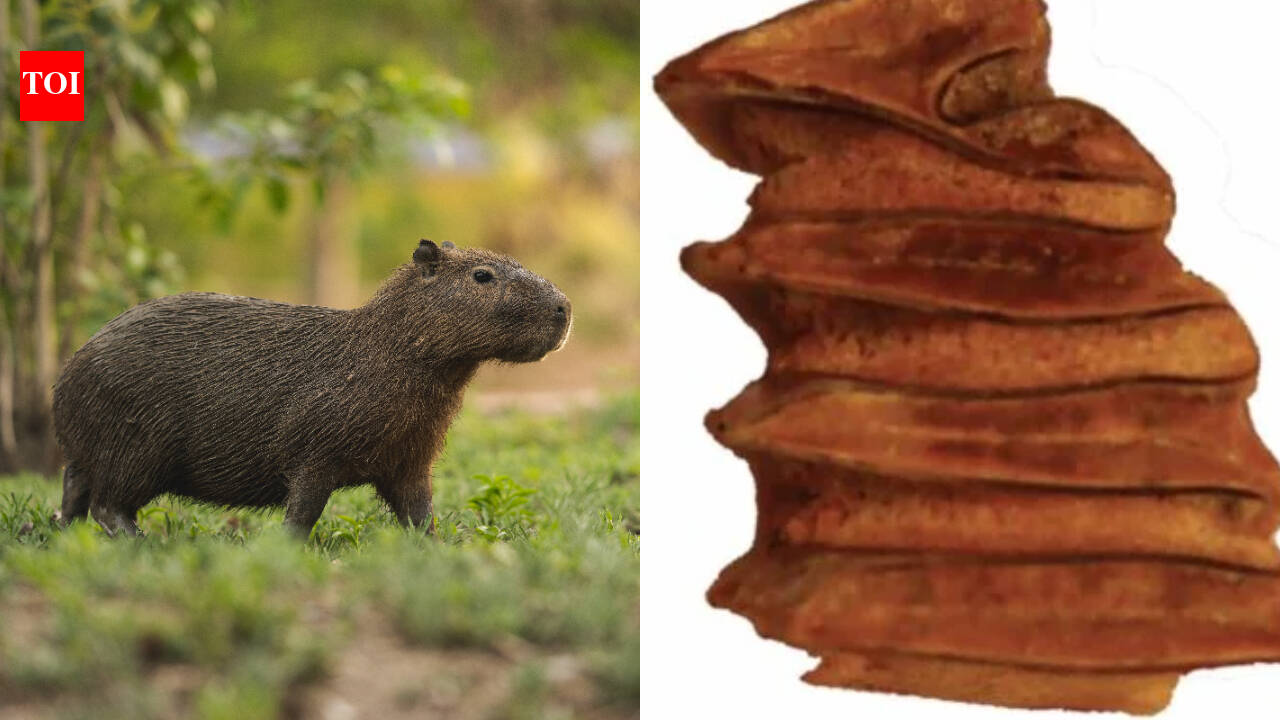
Scientists have found a tooth of a 9-million-year-old capybara relative in Chile’s Atacama Desert, one of the world’s driest places; water-loving animal adds evidence that the region once supported wetlands and a very wet climate
The newly discovered tooth provides another reason to re-examine what the region looked like in the past, the report said.…
Read More » -
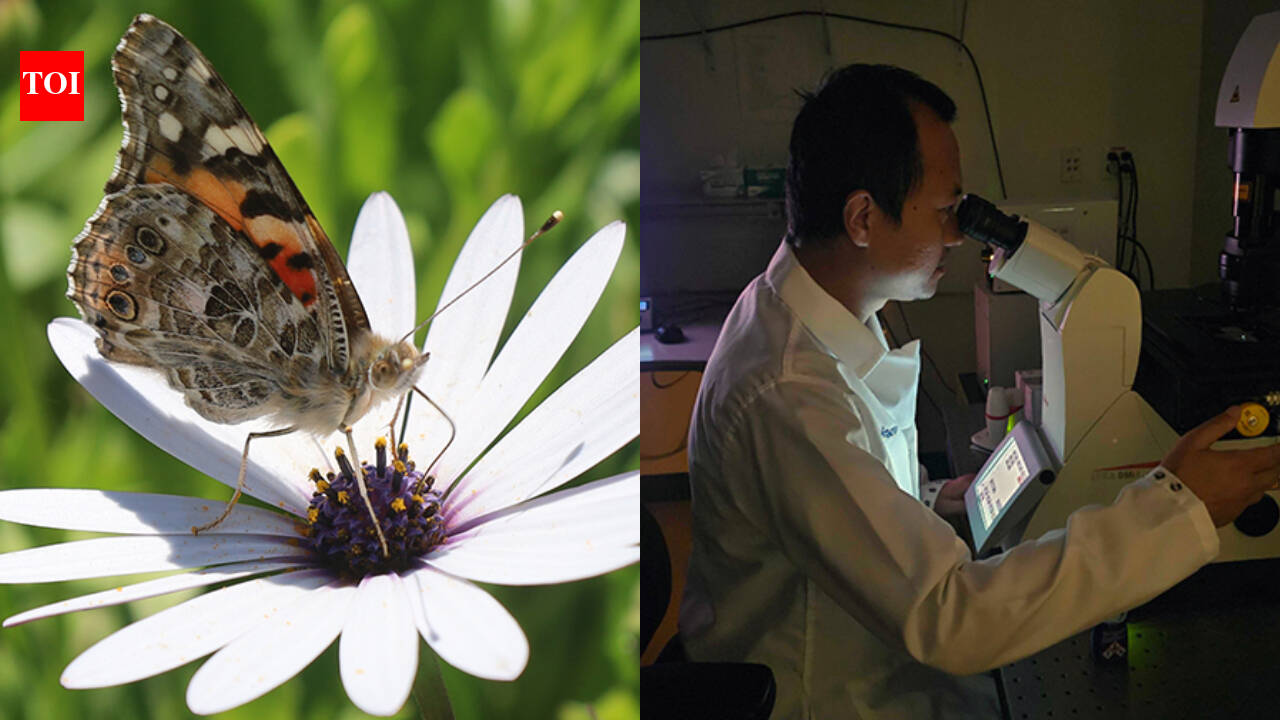
UC San Diego biologists have identified a genetic mutation that gave butterflies an extra light-sensing cell in their eyes, increasing their color vision beyond imagination.
The researchers found that the butterflies did not reorganize their entire visual system. Instead, they effectively copied one part of…
Read More » -
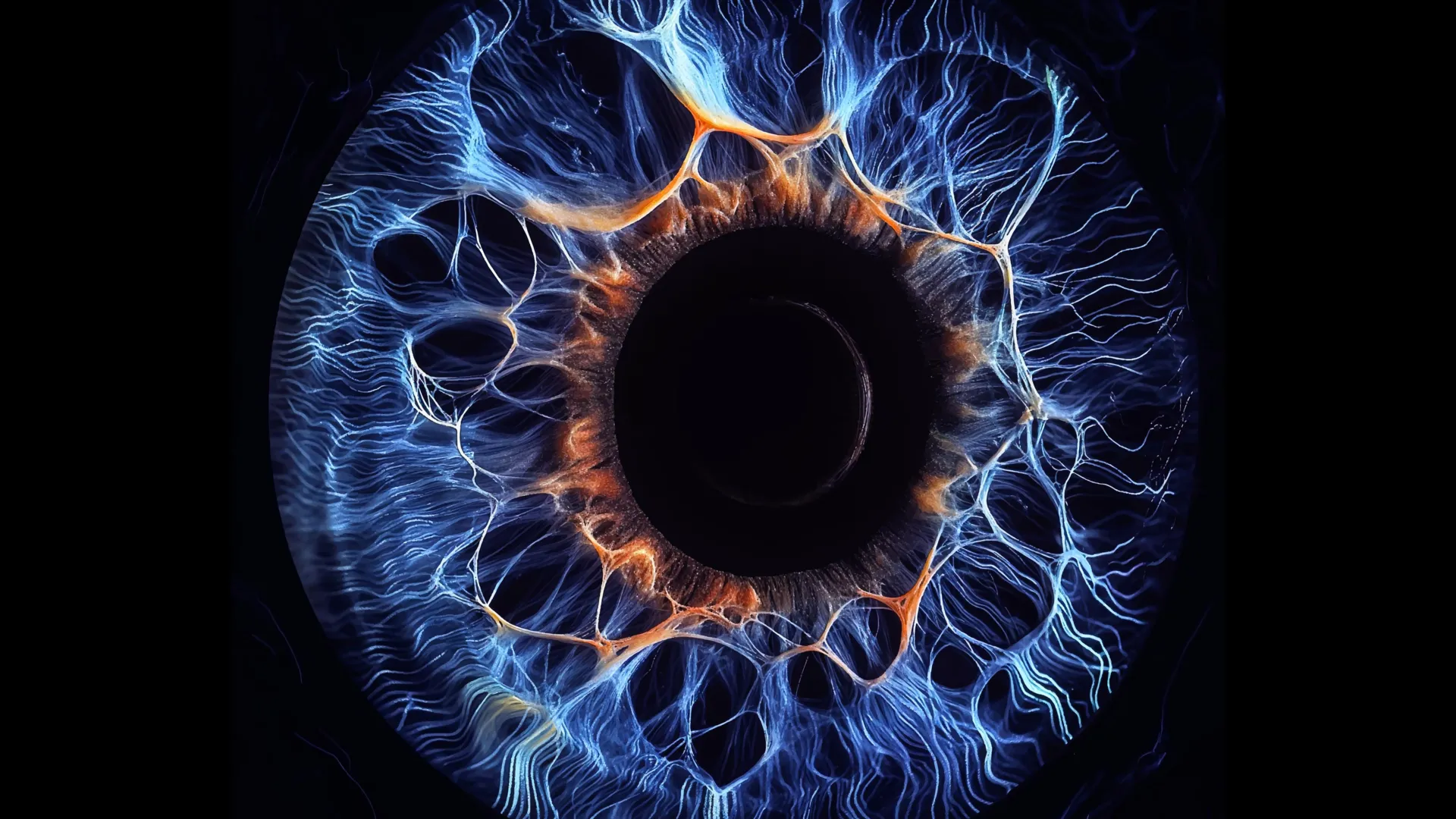
The eye has a hidden cleansing system that scientists never knew existed
Scientists have discovered a previously unknown cleaning system behind the eye, which reveals a hidden passageway that allows fluids and…
Read More » -
Scientists may have discovered a shortcut to energy integration
Scientists at the USDepartment of Energy’s (DOE) Princeton Plasma Physics Laboratory (PPPL) have identified a more powerful way to achieve…
Read More » -
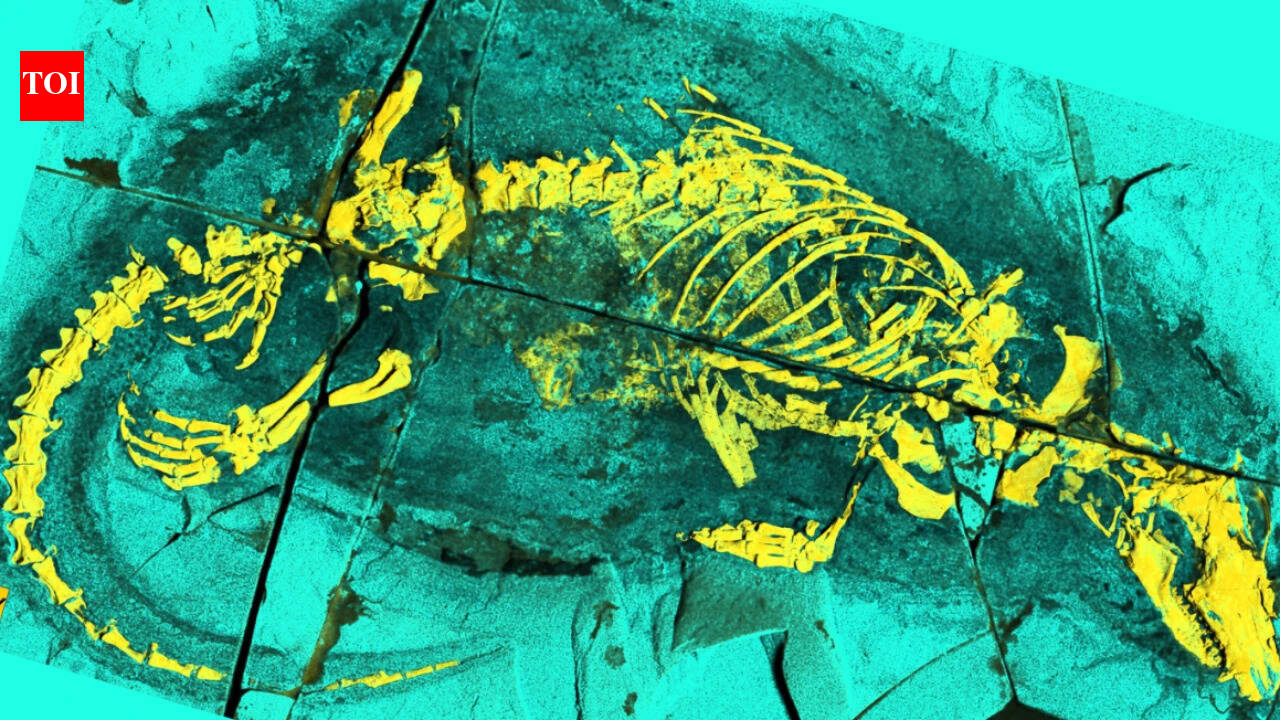
Scientists examined a 165-million-year-old fossil from China and found a broad swimming tail and bony throat structures; the Jurassic mammal predecessor could eat and swallow in ways seen in modern mammals
X-ray image of a Megacauda fossil Scientists have examined 165-million-year-old fossils found in China and identified a prehistoric mammal with…
Read More » -

US wildlife partners have spent years protecting more than 1,700 acres along the shores of Wisconsin’s Lake Superior; the project has restored wetlands, rehabilitated invasive plants and reconnected freshwater habitat
Photo credit: Sara Rubinstein/Courtesy of the Trust for Public A multi-year conservation project along the shores of Wisconsin’s Lake Superior…
Read More »