A 16 meter bamboo fence removed the Australian neighbors’ war over the damaged fence, blocking the gutters and sunlight; on November 19, the court issued a decision to remove the fence by one meter and divide the costs equally

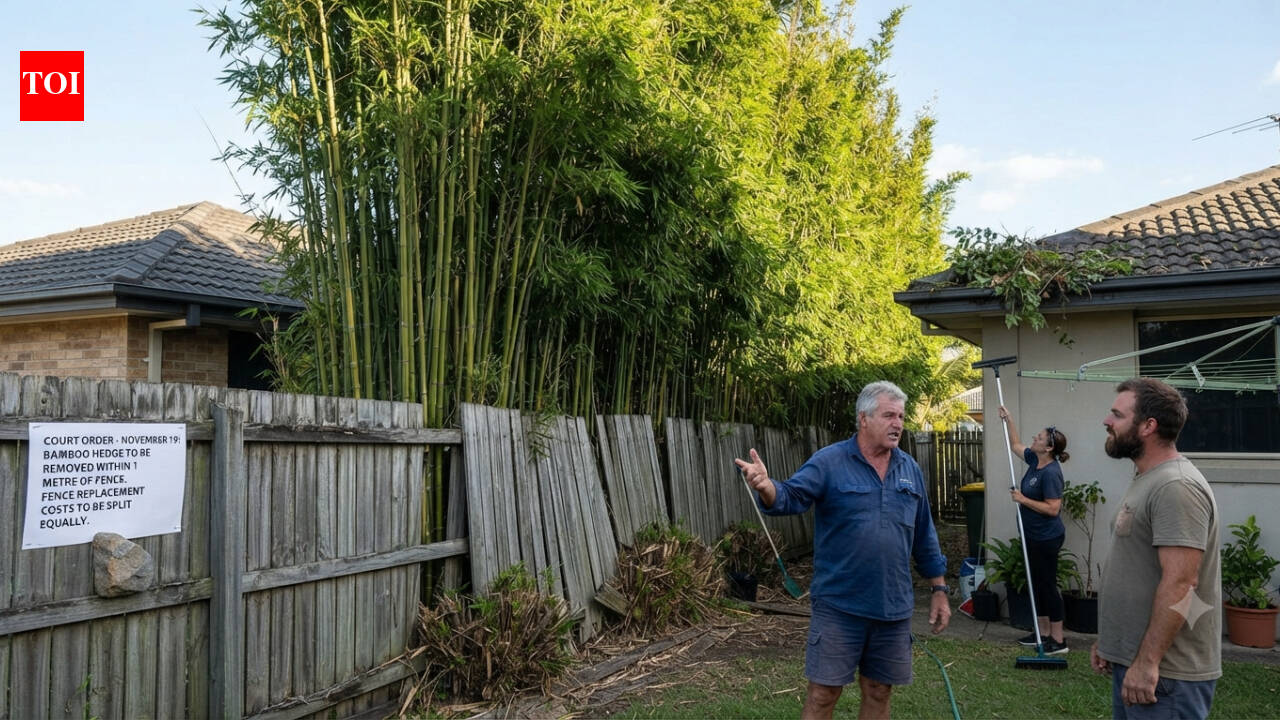
The common backyard fence has become the unlikely site of a legal battle in Australia, turning the property boundary into a dispute over tall bamboo, damaged fences, blocked drains and complaints about lost sunlight. The case of applicant Leonard Clyde Lloyd and neighbor Susan Boyd Valstar, which eventually came before the Land and Environment Court of New South Wales, was about growing concerns about increasing vegetation on a neighbour’s property. In a decision dated November 19, 2026, the court addressed issues related to competing properties, ordered the removal of one meter of bamboo and ordered the neighbors to share the cost of replacing their dividing fence.
A territorial dispute over a bamboo fence
In Lloyd v Valstar [2026] NSWLEC 1764 bamboo was growing on the border between the party buildings. The fence is said to be approximately 16 meters high, which has raised concerns about its impact on neighboring buildings.The applicant complained of damage to property from bamboo, leaves falling into ditches and the collapse of a dividing fence, the Land and Environment Court of New South Wales heard. There was also concern that the height and location of the vegetation would reduce sunlight entering the surrounding area.The dispute required the court to assess the extent of the damages and decide which matters required judicial intervention rather than general property maintenance.
Inspected for blocked gutters and wire damage
The court considered whether fallen bamboo leaves blocking drains constituted compensable damages under the Trees (Disputes Between Neighbours) Act 2006.But the Land and Environment Court of New South Wales said problems that could be avoided by proper maintenance, including regular cleaning of gutters, would not generally warrant intervention under the law. Even the presence of hanging plants was not enough to cause damage.The dividing fence was a different story. Although the bamboo contributed to some damage, the court found that the condition of the bamboo was mostly the result of its age and exposure to the environment. Plants only had a small contribution to the damage of the fence.Therefore, the court found it appropriate to share the replacement costs between the two property owners rather than making one neighbor liable.
Sunlight’s complaint fails to meet legal standards
One of the main concerns of the court was the effect of the bamboo fence on natural light. The petitioner sought relief under the law for the tree’s adverse obstruction of sunlight to his house.However, when considering the appeal, the Land and Environment Court of New South Wales, made a distinction between sunlight and normal sunlight.The court noted that the bamboo fence was south of the applicant’s south-facing windows. Because of this situation, it could not be determined whether the vegetation creates a significant barrier to direct sunlight reaching these windows.Accordingly, the court refused to make the orders sought because of the blocking of sunlight. This decision emphasized the need to show that there was an actual interference with sunlight and not just a reduction in daylight.
The court orders the removal of the bamboo, the payment of the equivalent fence
The court did not find all of the petitioner’s complaints acceptable but sufficient reasons to order targeted intervention regarding bamboo. The decision ordered the removal of suitable bamboo within one meter of the property boundary.In relation to the fencing dispute, the Land and Environment Court of New South Wales ordered that the dividing fence be replaced, with both neighbors contributing equally to the costs.This decision took into account the small contribution of bamboo to the deterioration of the fence and the effects of aging and weathering.The decision of 19 November in Lloyd v Valstar shows that there can be a number of different legal issues arising in Australian disputes over native plants, including property damage, maintenance obligations, fencing obligations and access to sunlight.Based on the circumstances and the evidence, the Land and Environment Court of New South Wales allowed the limited removal of the bamboo, dismissed the application for sunlight, and ordered an equitable cost of fencing.Image Credit: Google Gemini
Source link