“The biggest problem is not the money; the method…”: CA explains how to invest Rs 5 lakh in stocks, gold, FDs and bonds to build wealth and reduce risk

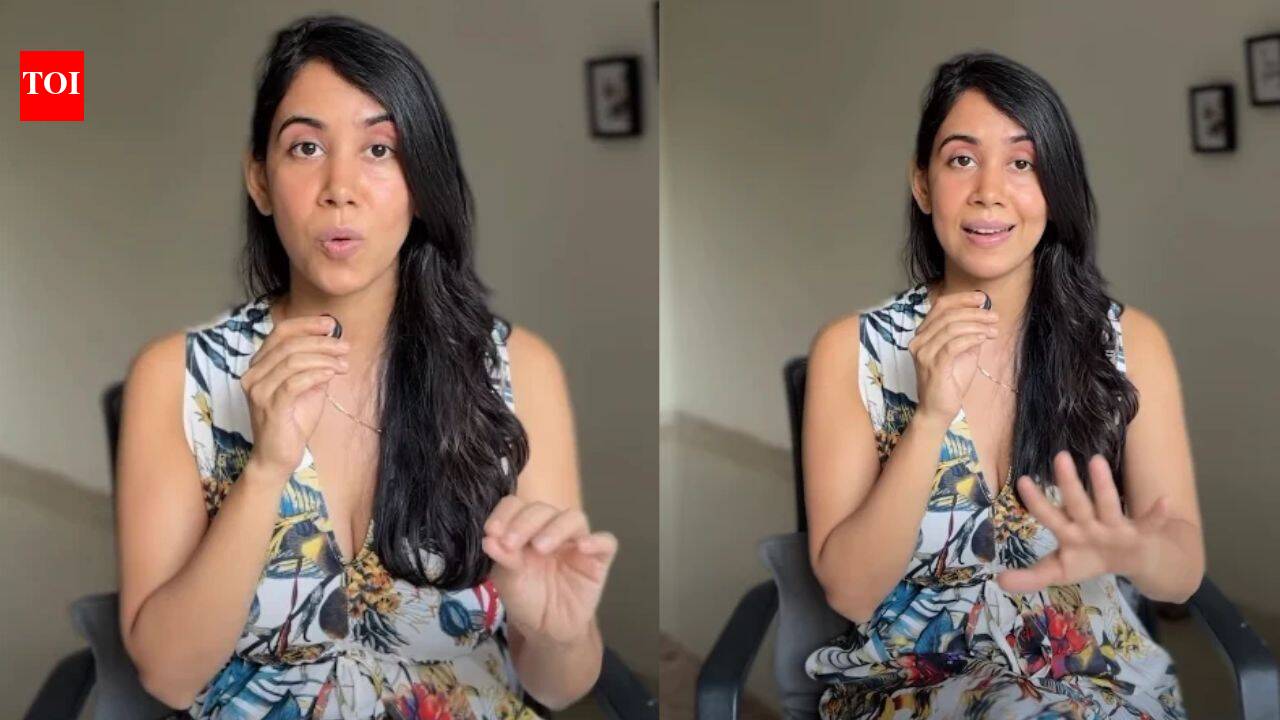
Getting Rs 5 lakh in one go may sound like an opportunity for you to finally make a profitable financial move. But the big question is what to do with the money. Put it in the stock market, keep it in a fixed deposit, buy gold or spread it across all investment options?Chartered Accountant and content creator Srishti Gosavi recently answered this question by sharing how she can invest Rs 5 lakh if she has disposable income today. Rather than putting all the value in one asset, he suggested that it be split into different financial instruments, balancing potential growth and stability with income.His approach takes into account factors such as age, financial obligations, risk appetite and whether a person already has an emergency fund. He also made it clear that his share was a personal investment method, not a method followed by everyone.
Start with growth, but don’t put everything on balance
For someone under the age of 50 who has no dependents, Gosavi said he would consider allocating about 40 to 50 percent of the money to equity. That would mean investing around Rs 2 lakh to Rs 2.5 lakh in stocks or mutual funds. Equity investments can provide long-term wealth creation potential, but also come with market volatility and the potential for loss. For people who are new to investing and don’t know how to evaluate each stock, he suggested that an index fund is an option.Index funds track a market index and allow investors to participate in a broad group of companies rather than relying on the performance of a single stock. However, it is still a currency linked to the market and can go down in value, especially in the short term. The idea with this part of his portfolio is to give some money a chance to grow over time, instead of keeping all the value in instruments that may offer relatively low returns.
A four-part program for Rs 5 lakh
Rather than treat money as a single sum, Gosavi’s approach divides it into different roles. Each component is intended to serve a different purpose, from long-term growth to safe savings and capitalization. The following is his suggested allocation, not a personal investment recommendation.You will allocate 40 to 50% (Rs 2 lakh to Rs 2.5 lakh) in equity, investing in stocks, mutual funds or long-term growth index funds. Another 10 to 20% (Rs 50,000 to Rs 1 lakh) will go into safe investments like fixed deposits, arbitrage funds or mutual funds, especially if you don’t already have an emergency fund. He will also set aside 10 to 20% (Rs 50,000 to Rs 1 lakh) of gold, opting for gold ETFs, gold stocks or gold mutual funds over jewellery. The remaining 10 to 20% (Rs 50,000 to Rs 1 lakh) will be invested in income-generating instruments, such as bonds and non-convertible debentures (NCDs), which can provide periodic income.Bonds or non-convertible debentures (NCDs) may provide periodic income. Percentages are indicative ranges and are not intended to be used mechanically. Assignment should be adjusted to suit individual circumstances.
Why does he say this is not a magic method
Gosavi made it clear that his strategy should not be copied by everyone. Someone who has a mortgage, doesn’t have emergency savings or needs money in the near future may have a very different investment approach than someone with stable finances and a long time horizon. He explained, “This is not a magic formula of 5 lakh rupees for investment. This depends on my risk appetite.” He also emphasized that he will remain invested for at least five years, making investing an important part of his decision.His closing message was, “It’s about putting the right amount of money in the right place at the right time.” The idea is that investing is not just about chasing returns or choosing the most popular financial product. It includes understanding when money may be needed, how much risk a person can tolerate and whether a portfolio is compatible with personal goals.
Internet takeaway: income is half the job
His investment debacle also sparked discussions about financial ethics, managing money wisely and building wealth with a purpose. While some users appreciated the simplicity of his explanation, others were interested in learning more about bonds and fixed income.One user commented: “Of course – earning money is one part, but knowing how to manage, invest, and spend it wisely makes a real difference.” Another wrote, “A solid idea to make money work with purpose.” A third user thanked her for making the process easier, writing, “Thank you for sharing this valuable information. The way you explained it is amazing.”The main takeaway from Gosavi’s video is that having money to invest is just the beginning. Knowing how to diversify, understanding the risks and giving the investment enough time can be equally important. His approach encourages people to think beyond a single investment option and create a financial plan that fits their needs, rather than following someone else’s portfolio without understanding it.
Source link