A Texas ranch that was once used for raising cattle and rice has redeveloped its 5,500 acres into a wildlife refuge; thousands of ducks now flock there and three pairs of bald eagles set to nest in 2025 |

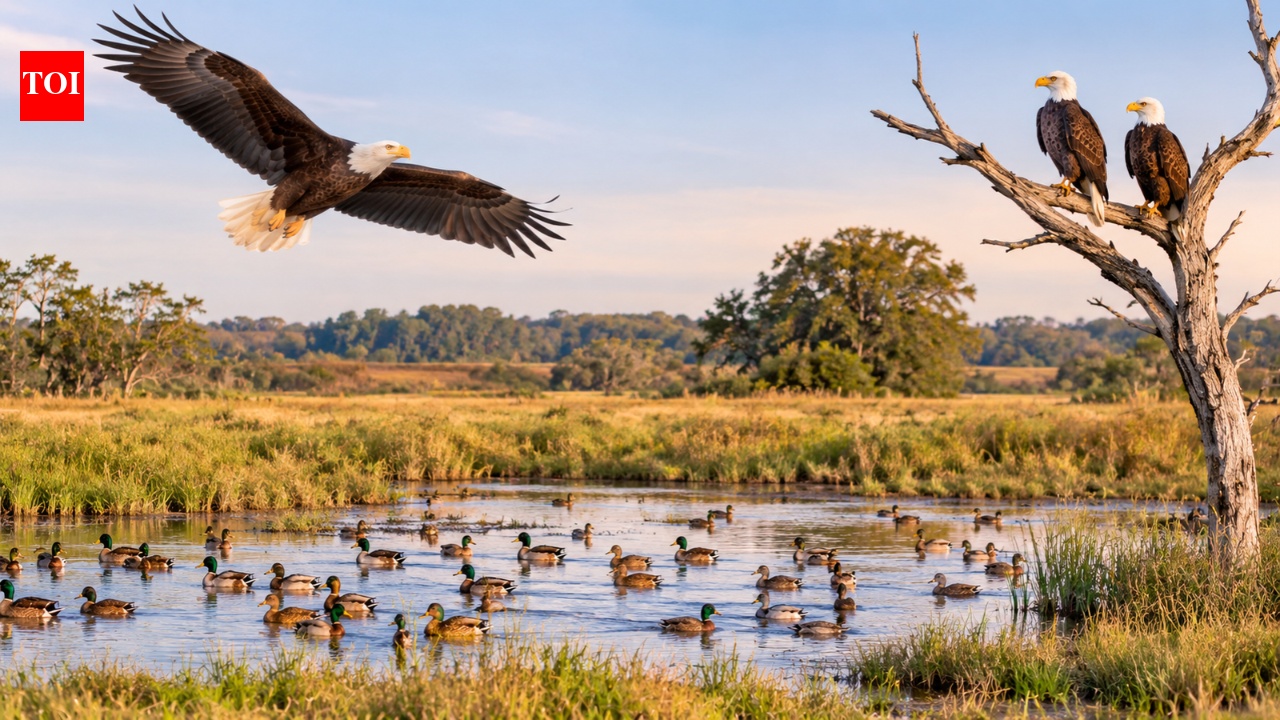
On the Texas Gulf Coast where cattle once ruled the land and rice fields once provided limited habitat for waterfowl, the ranch has taken a different approach to managing its land. At the Lavaca Rio Ranch in Jackson County, wetlands now sit alongside pastures, attracting migrating ducks, nesting birds and other wildlife. These changes took years, with farm workers working with conservationists to remodel parts of the structure and control water levels throughout the seasons. The results are reflected in the number of birds that use the land, including three pairs of bald eagles living there in 2025.
Lavaca Rio Ranch is turning 5,500 acres into a thriving ranch wildlife habitat
Lavaca Rio Ranch covers approximately 5,500 acres in Jackson County, Texas. Cattle raising and rice cultivation were the main occupations in this area. Although duck hunting takes place there, the fields have not attracted waterfowl in the numbers ranch manager Brent Friedrichs would like to see.The area still supports the cattle industry, as approximately 300 cows and their calves graze across the country. But its management extended beyond livestock. Prescribed burning, bird feeders, controlled grazing and wetland creation have helped create many habitats throughout the ranch.Changes have brought different species to the area. Ducks are among the most visible visitors, sometimes arriving in their thousands. Turkeys have also been seen nesting near the wetlands, while deer and their fawns are frequent in the area.
How the Texas Prairie Wetlands Project is restoring 100,000 acres
The Lavaca Rio Ranch project is part of a broader effort to restore wetlands along the Texas Gulf Coast. The area once had many shallow wetlands, including natural sinkholes known as prairie sinkholes. Over time, a large part of this area was cleared or converted into agricultural land, mainly for rice production. Wetlands once covered about 30 percent of Texas’ coastal plains as a result have shrunk significantly. Their loss has affected habitats for waterfowl and other wildlife that rely on shallow water, wetland vegetation and seasonal feeding grounds.The Texas Prairie Wetlands Project was established in 1991 to address some of these losses. It brought together Ducks Unlimited, Texas Parks and Wildlife, the US Fish and Wildlife Service and the US Department of Agriculture’s Natural Resources Conservation Service. Its work focuses on restoring existing wetlands and creating new ones, especially in areas used by waterfowl in the winter. The aim is to provide the birds with food and a place to rest before their spring migration, helping them maintain their migratory status.According to Chad Stinson, a biologist with the US Fish and Wildlife Service’s Partners for Fish and Wildlife Program, the program has restored or created nearly 100,000 acres of wetlands over three decades. These habitats also contribute an estimated 12 to 16% of the fresh water along the Texas coast in a given year.
Within the wetland restoration work at Lavaca Rio Ranch
The Fish and Wildlife Partners Program has worked with Lavaca Rio Ranch for nearly 10 years, providing financial support and technical guidance for habitat development. Much of this assistance has focused on the design and construction of permanent levees and water control structures. Farm workers have taken responsibility for constructing and maintaining wetlands. Their work involves adjusting water levels at different points throughout the year, rather than leaving wetlands entirely dependent on rainfall.The agricultural history of the area proved useful in this regard. Its existing well infrastructure allows Friedrichs to deliver water to different parts and control how deep it goes. This gives the farm more flexibility when conditions change or when birds start using a particular area.Water can be directed to one wetland while the other is left undisturbed or allowed to develop new vegetation. Later in the season, the farm can flood many different units. These adjustments also help provide suitable conditions for resident birds, including spotted and whistling ducks, which benefit from seasonal changes in water depth.
Eagles and other species found a home there
Ducks were the main focus of the restoration work, but the wetlands attracted a variety of wildlife. The farm has recorded spoonbills, great yellowlegs, plovers, spotted ducks and wood ducks, as well as other resident and migratory birds. Three pairs of bald eagles re-inhabited the area in 2025. Stinson described the concentration as unusually high and attributed the birds’ presence to the presence of water and the habitat it supports.The conservation program specifically targets about 16 species of ducks. However, Stinson estimates that 40 to 50 other species, including birds, amphibians and reptiles, use wetland habitats. Wetlands support a variety of feeding and breeding opportunities, making them useful for wildlife beyond the species the restoration project originally designed for. Shallow water and wetland vegetation can provide habitat and food for animals at different stages of their life cycle.
Restored Texas wetlands provide pasture for cattle during dry periods
The restoration has had an impact on the performance of the cattle on this farm. As water levels gradually decrease, open areas can produce vegetation that provides useful grazing, especially during dry periods. Stinson said other farmers involved in wetland programs have reported similar benefits to their livestock. The land supports waterfowl during the wet months so it can serve another purpose as conditions change.In areas that combine agriculture and conservation, this provides an additional reason to care for wetlands. Land does not have to be completely dedicated to wildlife or livestock, as long as water quality and grazing are carefully managed.
Source link