India Retail Inflation: Holiday and wedding season demand could push India’s inflation rate higher, the finance ministry has warned.

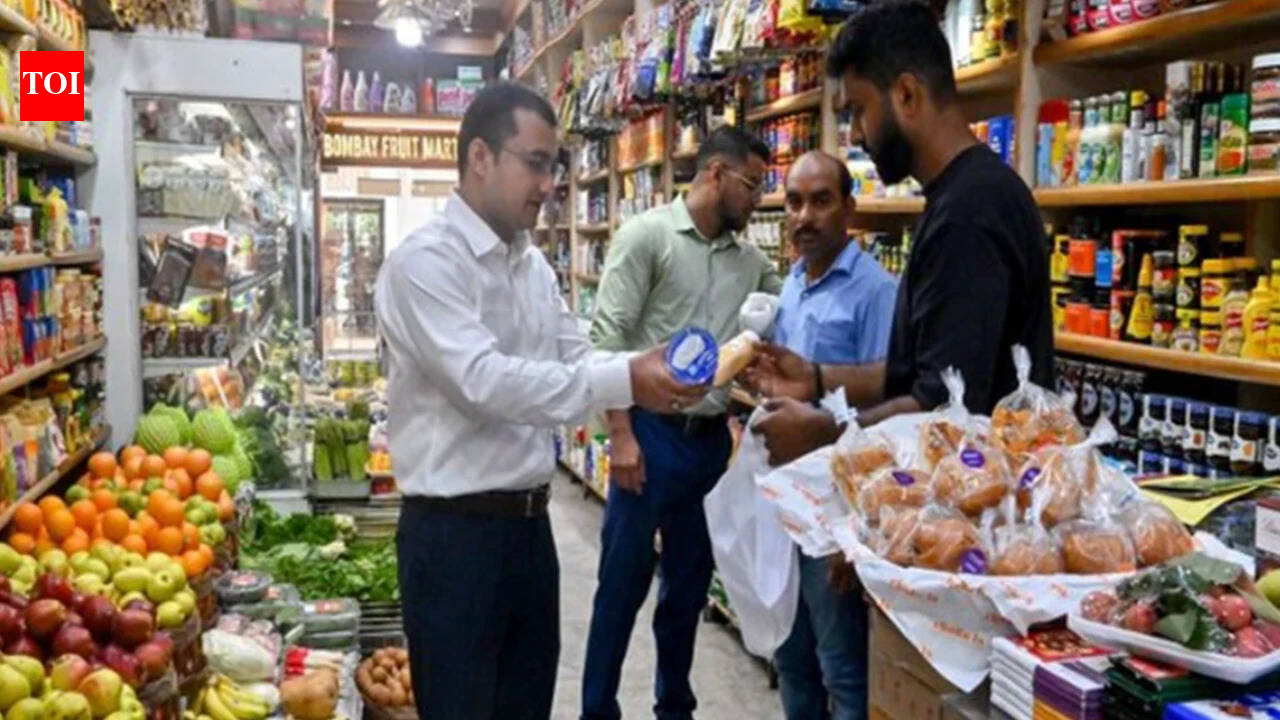
Retail inflation in India is likely to pick up sharply in the coming months as demand for food and non-food items increases during the ongoing holidays and the start of the wedding season, the Finance Ministry said in its November Monthly Economic Review (MER).The report flagged the persistence of negative fundamentals and climate-related uncertainty, including the possibility of a strong El Nino, as factors that could put additional pressure on prices.It also warned that continued unrest in the Middle East and risks to shipping through the Strait of Hormuz could keep oil import costs and shipping rates volatile.“As the festive season continues into November and the start of the wedding/marriage season, inflationary signals ahead may face risks due to increased demand for food and non-food items,” the report said.Retail inflation rose to 6.09 percent in October, breaching the Reserve Bank of India’s upper tolerance limit of 6 percent for the first time in two years. The increase was due to a sharp increase in food inflation and a negative base effect.The Ministry of Finance said the impact of the result may continue in November’s inflation figures.“Inflation may face near-term pressures from the persistence of the base effect and climate-related uncertainty, including the possibility of a strong El Nino,” the report said.
Lower crude prices and a stronger rupee may provide some relief
The report noted that political tensions and disruptions in shipping routes could add to the decline in import prices by increasing oil and commodity costs. Ongoing unrest in the Middle East and uncertainty over the Strait of Hormuz remain significant risks to its outlook.However, the recent drop in global crude oil prices and a strong rupee may help mitigate the impact. Oil prices fell below $100 per barrel in early November, while strong currency inflows supported the domestic currency.“The recent stabilization of crude oil prices below $100 per barrel and the strengthening of the rupee may help curb imported inflation, if sustained,” MER said.The report also identified uncertainty over global trade policies as a risk to India’s economic outlook, although it said strong domestic fundamentals and adequate macroeconomic constraints would help the country face external challenges.
Economic activity is expected to remain strong
The Ministry of Finance expects the country’s economy to continue its momentum in the December quarter of this financial year. High-frequency indicators point to continued increases in transportation, tax collection, energy consumption and property.Manufacturing activity is also likely to remain strong, supported by a boost in new orders and easing input cost pressures, the report said.Domestic demand is expected to provide further support, with car sales showing consistent momentum and rural consumption remaining strong. Abundant availability of fertilizer is also expected to support the rabi season, although sowing is still in the early stages and water storage remains below last year’s level.“The economy enters the coming months with strong domestic momentum, with continued spending demand, a gradual increase in private investment and continued support for manufacturing policy expected to boost growth,” the report noted.
Forex reserves provide an external buffer
The report said India’s external sector is expected to remain strong, supported by strong exports, strong services trade surplus and adequate foreign exchange reserves.Forex reserves stood at $705.3 billion as of November 13, providing cover equivalent to 10 months of imports, MER said.However, it warned that the country’s development and uncertainty surrounding global trade policies could moderate the outlook.“Despite these external uncertainties, strong domestic fundamentals and adequate macroeconomic constraints provide the economy with the strength to face emerging challenges,” the report added.
Source link