In Cape York, Australia, conservationists installed 29 artificial tree holes to help endangered palm cockatoos breed; the couple took one within a month, and the worker recorded their first fledgling chick

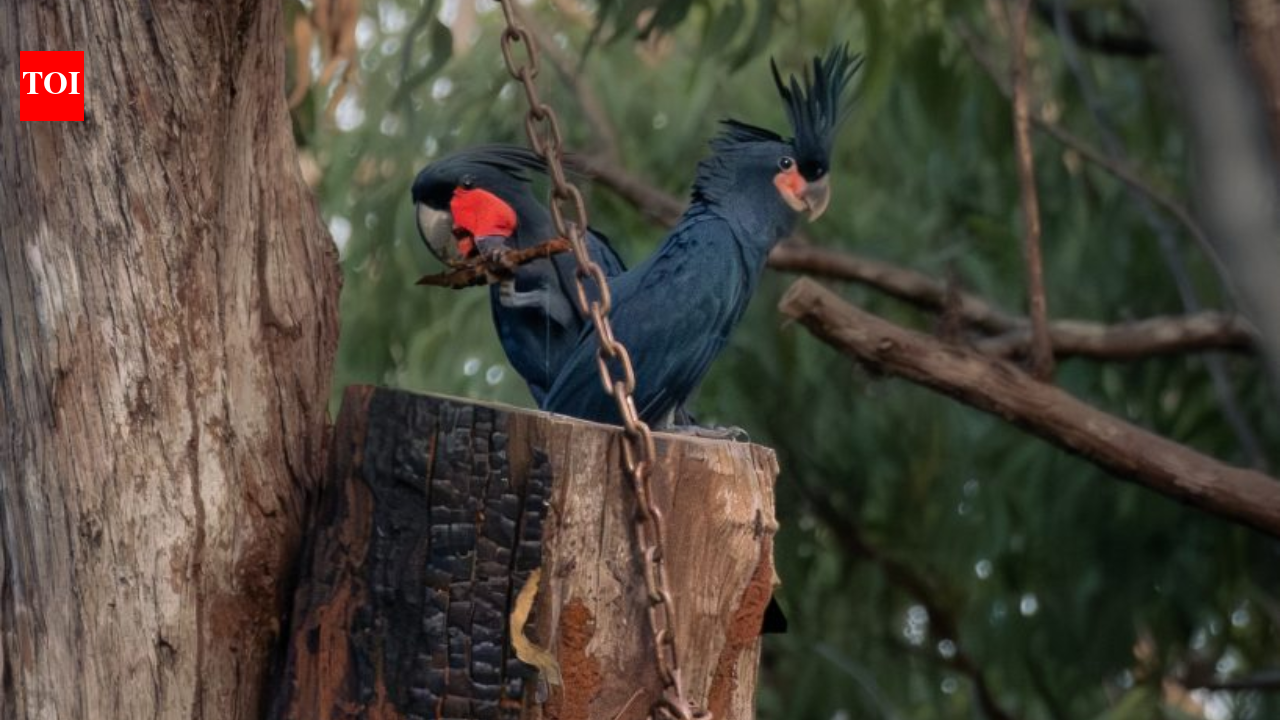
Conservationists on Australia’s Cape York Peninsula have recorded a rare success with an endangered bird after a palm cockatoo chick hatched and escaped from an artificial tree hole, according to ABC News. This success followed the installation of 29 artificial nesting holes across northern Cape York, where a lack of suitable tree growth has made breeding more difficult for the stranded black parrot. In a promising sign, an older pair laid an egg in one of the new burrows just a month after it was installed, providing evidence that artificial habitats can help address a critical gap in the species’ breeding habitats.The milestone was reached through an initiative led by the conservation organization People for Wildlife, in collaboration with Apudthama Traditional Owners and palm cockatoo expert Dr Christina Zdenek. The team’s work, reported by the Cape York Weekly and documented by the organization, is believed to be the first recorded case in the world of a palm cockatoo chick successfully escaping from an artificial hole.
Why palm cockatoos need old trees
Palm cockatoos (Probosciger aterrimus) are among Australia’s most unique parrots. They have glossy black feathers, prominent crests, large bills and bright red cheek patches. Males are also known for dramatic courtship behavior: using sticks or seed pods to beat rhythmically against tree trunks.But these birds rely on something that cannot be easily replaced: large tree holes suitable for nesting. According to People for Wildlife, palm cockatoos require unusually open burrows, often found in trees that can be up to 300 years old. ABC News reported that it can take more than 250 years for trees to have holes big enough for birds.These pits form gradually as termites and fungi break down parts of the old trees. In some cases, the wind has to break the top of the tree to reveal the inside of the hole. The process makes suitable nesting sites scarce and difficult to replace once lost.Land degradation, habitat destruction, wildfires and extreme weather can destroy old trees or reduce the number of safe nesting sites. The Australian Wildlife Conservancy also identifies inappropriate fire regimes and competition from burrows as threats to the species.Scarcity is important because palm cockatoos breed slowly. People for Wildlife says that females lay one egg about every two years. The Australian Wildlife Conservancy similarly describes the species as having the lowest reproductive rate among parrots, leaving populations vulnerable when breeding attempts fail.People for Wildlife estimates that there are fewer than 2,000 palm cockatoos left in the wild in Australia. These birds are found in Australia’s remote Cape York Peninsula, although these birds are also found in Papua New Guinea and Indonesia. Cape York people belong to a different subspecies.
How artificial holes were installed
To deal with the lack of nesting sites, the conservation team has been creating new nesting sites and modifying existing holes to better suit the palm cockatoos.Some artificial holes are made by digging up parts of large fallen trees and lifting them over the bed. The team is also studying the physical properties of natural burrows that have been made by birds, helping researchers understand what factors make a burrow suitable for nesting.The project has included 29 artificial wells in carefully selected locations north of Cape York. The aim is not only to provide more holes, but to create areas that suit the specific needs of the birds for nesting.The work was supported by the Australian Geographic Society, which awarded People for Wildlife a $20,000 grant in October 2025 through its Nature Awards program. The project also received support from the Queensland Threatened Species Research Funding Program.
Cameras captured evidence of breeding
The successful nest was monitored from the ground by Apudthama’s land management team, while wildlife-friendly cameras placed in the open area recorded the activity around the den. According to People for Wildlife, the cameras captured nearly 8,000 images between September and December 2025. These images documented the older birds exploring, entering and exiting the nesting area, providing evidence that the burrow was in use.The pair hatched in September 2025, about a month after the artificial cavity was installed. The monitoring continued as the chick grew, eventually photographing the chick standing in the hole before leaving the nest.The successful flight was announced in March 2026. The result was important because it showed that the artificial hole was able to support the first nesting activity, but also the development of the chick up to the stage when it leaves the nest.The achievement is a practical achievement for conservationists who are trying to reproduce the conditions that require the breeding of palm cockatoos. It also provides a potential way to add natural breeding habitats to areas where centuries-old trees are scarce or endangered.
A breakthrough, not a perfect solution
The success of the project does not mean that the decline of the palm cockatoo has been reversed. The birds’ slow reproductive rate means that population recovery may take a long time, and the availability of nesting holes is only one part of their survival needs.Natural habitats must still provide food, safe breeding grounds and protection from fire and other threats. Artificial burrows also require ongoing monitoring to determine whether the birds are using them regularly and whether the chicks survive beyond breeding.The Australian Wildlife Conservancy notes that palm cockatoos rely on many large trees to nest and protect their burrows throughout the year. Protecting existing old trees and managing fire hazards is therefore always important around the installation of artificial structures.However, with the Cape York design, the newborn chick provides a visible effect. The team showed that a carefully designed artificial burrow can be adopted by a wild couple and can support a successful breeding effort. With 29 holes installed, researchers now have the opportunity to monitor how widely the birds use these new sites and whether they can be replicated.
Source link