Does sweeping remove dust and dirt from your home? Explain the difference between HEPA filters and standard cleaners

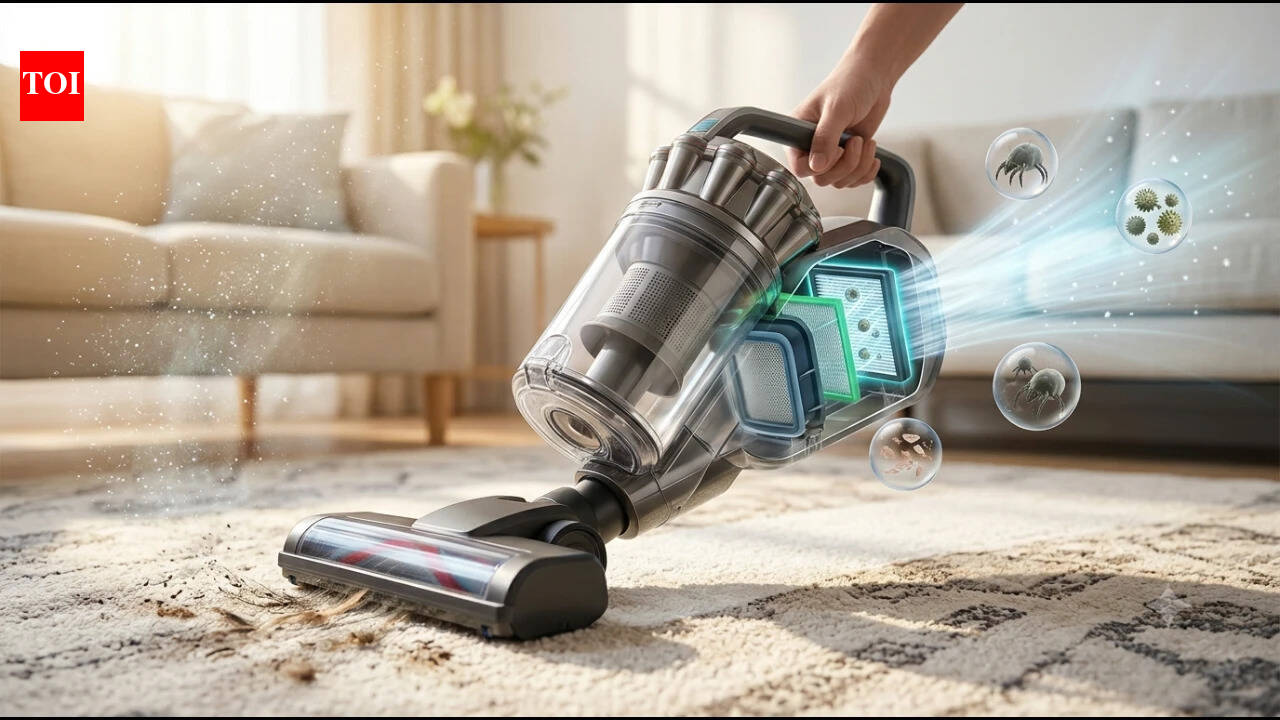
A freshly cleaned home feels clean. The carpets look shiny, the corners seem dust-free and the floor doesn’t feel like there are any more scratches. But there is something that remains invisible. What happens to the small dust particles, pollen, pet dander and other dirt picked up by the vacuum cleaner? Do they stay inside the machine, or can some of them escape into the room?The answer depends largely on the vacuum cleaner’s filtration system. While regular vacuum cleaners can remove visible dirt and larger dust particles, HEPA-filtered models offer an extra layer of protection against the smallest airborne particles.
Does a vacuum really clean the house?
Dust is not just a gray material that collects furniture. House dust can contain dead skin cells, fabric fibers, pollen, soil particles, pet dander and other small things brought into the house.Vacuuming removes a lot of dust from floors, carpets, upholstery and mattresses. It can also pick up allergens such as dust particles and pet dander.However, vacuuming does not remove all the dirt from the indoor air. Gases, chemical fumes and volatile organic compounds (VOCs) emitted by paint, cleaning products and furniture require different methods. A vacuum cleaner is not an air cleaner.
Why conventional vacuum cleaners may leave dust behind
Most vacuum cleaners use suction to pull dirt into a dust bag or collection container. But collecting dust is part of the job. The air drawn into the machine must also pass through the filters before it is released again.In less efficient models, fine particles may escape through the filter system or small gaps in the machine. Some vacuum cleaners can stir up fine dust during cleaning.This means that the floor can look clean even if some fine particles have returned to the surrounding air. It doesn’t make vacuum cleaners useless, but their ability to catch small particles varies greatly.
What makes HEPA filtered vacuum cleaners different?
HEPA stands for High-Efficiency Particulate Air. A true HEPA filter is designed to capture at least 99.97% of particles measuring 0.3 microns under standard test conditions.These filters can capture many particles that conventional filters can pass through, including fine dust, pollen and pet dander.However, important details are often overlooked. A HEPA filter alone does not guarantee that every vacuum cleaner provides HEPA-level filtration. The machine must also be properly sealed so that air does not pass through the filter.
Does a HEPA vacuum make the home healthier?
For households with dust allergies, asthma or pet sensitivities, a well sealed HEPA filter can be a useful choice. Reduces the amount of fine particles that are returned to the room during cleaning.However, it is not a cure for asthma or allergies, and it does not eliminate all internal pollution. Ventilation, humidity control, washing bedding and reducing dust accumulation are still important.
What should homeowners check before buying?
Look beyond the word ‘HEPA’ printed on the packaging. Check if the manufacturer specifies a real HEPA filter and a closed filter system.Also consider whether the filter is washable or replaceable, how often it needs maintenance and whether replacement filters are readily available. A clogged or poorly maintained filter can impair performance.In homes with carpeting, pets or allergy issues, a well-sealed HEPA vacuum may provide a beneficial benefit. For regular cleaning of hard floors, a regular vacuum with an active filter may be sufficient.The true measure of a good vacuum cleaner is not just how much dirt it collects, but how much dirt it prevents from returning to the room.Disclaimer: This article is for general information only. A vacuum cleaner cannot get rid of everything indoor air pollutants or instead of treatment. People with asthma or allergies should follow advice from their healthcare providers.
Source link