Christmas Cactus Watering: How to water a Christmas cactus for maximum bloom: simple watering tips to prevent root rot, promote healthy growth and keep your plant covered in blooming flowers through the holiday season.

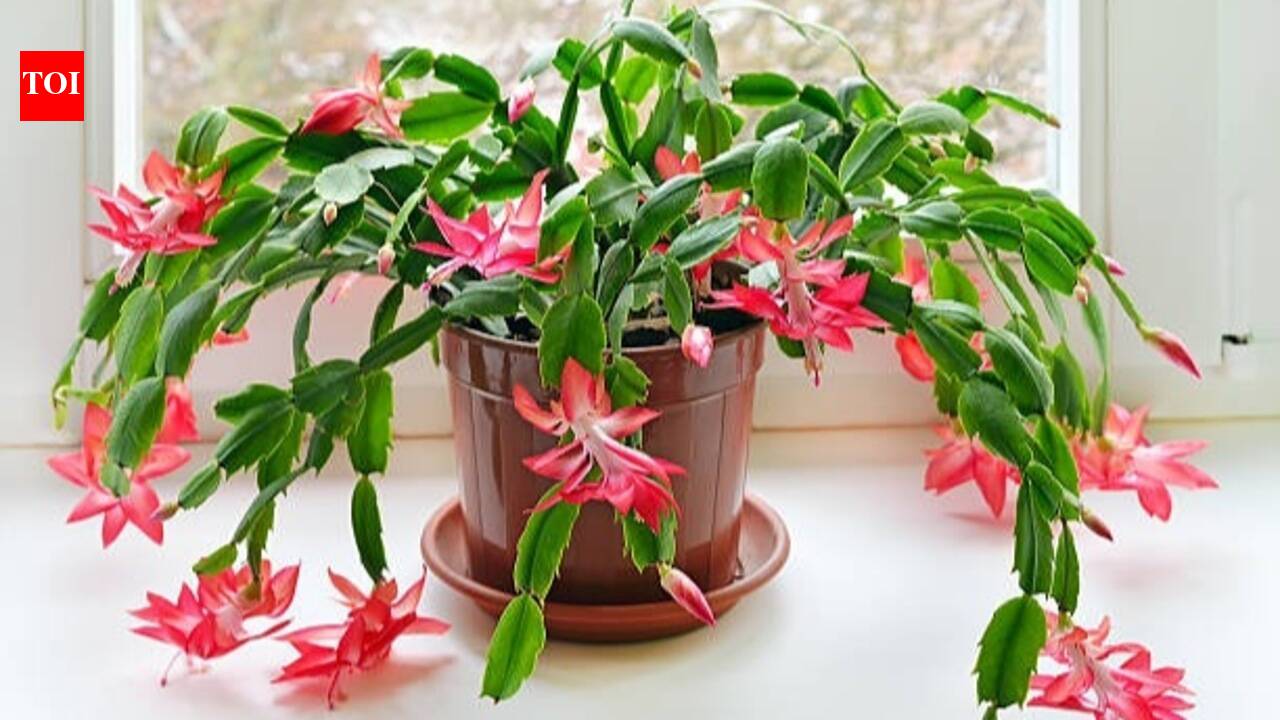
As December approaches, the Christmas cactus is a plant that everyone wants to see in bloom. Its curved, split stems are designed to be covered in bright pink, red, white or orange flowers for the holidays, but many owners end up with a drooping plant, drooping buds or mushy stems. In most cases, irrigation is the cause. This plant is not a desert cactus, but it is not a rainforest drinker either, and requires careful balance. Here are some simple watering tips to protect the roots and encourage a plant full of flowers.
Know what kind of plant it is
The Christmas cactus is a plant that grows on trees in the forests of Brazil, where it receives bright, filtered light, humid air and conditions to accelerate the flow of its roots. That means it likes more moisture than the desert cactus, but hates standing in water. Its stems retain some moisture, so it can cope with short dry periods, while soft soil can rot the roots within days.
Water when the surface of the soil is dry
A simple rule of thumb is to let the top inch or two of soil dry out before you water again. Check by sticking your finger in the soil. If it feels dry, water well until most of the water comes out of the bottom of the pot. If it feels moist, wait a day or two and test again. In warm, dry rooms this may mean watering about once a week, and in cool or humid climates, once every two to three weeks. Use lukewarm water, as cold water can shock the roots.
Allow the pot to drain regularly
Use a pot with drainage holes and a loose, well-draining mix, such as potting soil mixed with perlite, coarse sand or bark. After watering, remove the saucer so that the plant does not sit in standing water. A pot that is too large can hold too much wet soil, so choose one that is just larger than the root. Repeat every few years, in the spring after flowering, when the plant grows out of its pot.
Remove before the buds appear
In autumn, many farmers reduce watering a little, just enough to prevent the stems from wilting, while the plant gets cool nights, about 10 to 15 degrees Celsius, and long, uninterrupted periods of darkness of about 12 hours. This rest period helps to start the buds. Once sprouts appear, return to regular watering and keep the soil evenly moist. Don’t let it dry out completely at this stage, because that can cause the leaves to drop.
Avoid sudden changes
Buds are sensitive. Shaking the pot, turning it frequently, placing it near a drafty window or heater, or switching between very wet and very dry soil can cause it to collapse. Choose a bright spot away from direct afternoon sun and cold rain, and keep it there when buds form. Lightly mist the air around the plant or place the pot on a tray of moist pebbles if your room is too dry, but avoid wetting the stems.
Disclaimer:
This article is for informational and gardening purposes only. Watering needs vary with plant and pot size, potting mix, temperature, humidity, light and season, so results may vary. Check the soil regularly and adjust the maintenance accordingly. Keep plants away from children and pets, wash your hands after handling soil, and use clean tools when pruning.
Source link