Ebola Drc outbreak: Congo’s Ebola outbreak nearly halves infected as cases top 11,000

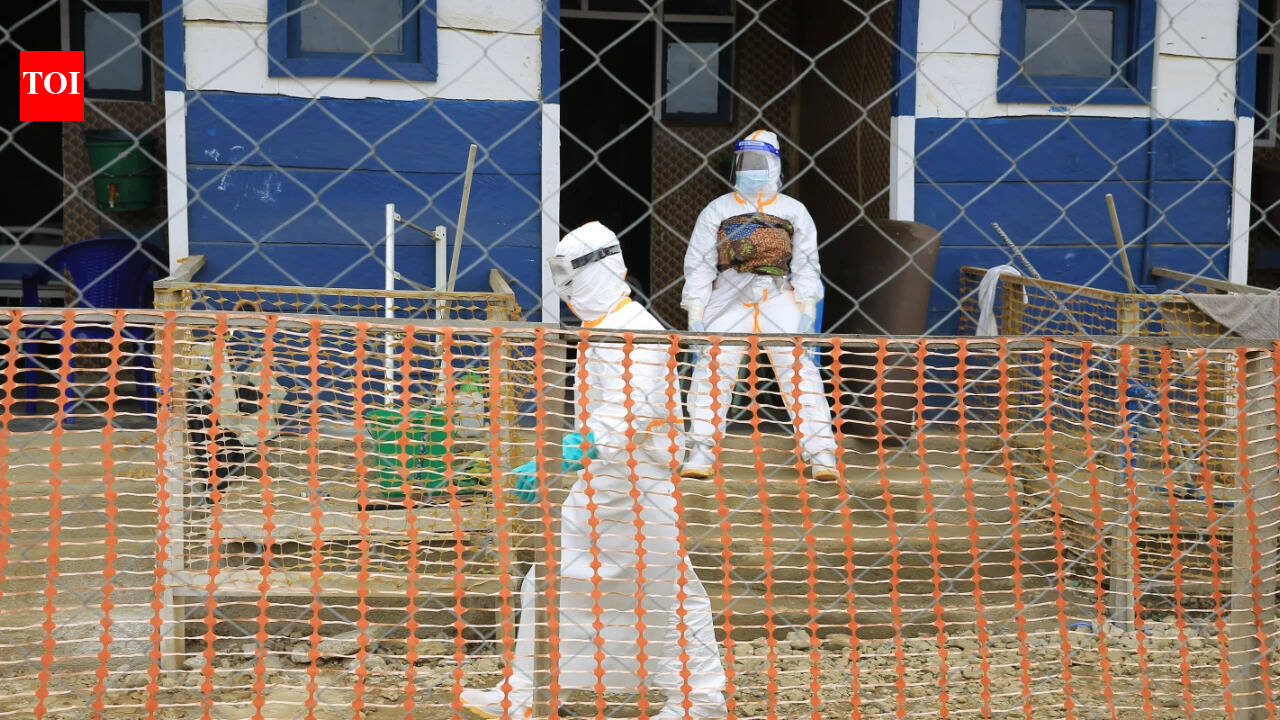
Six months after the Ebola outbreak was declared in the Democratic Republic of Congo (DRC), the disease continues to spread, with more than 11,000 cases recorded and nearly half of those infected dying, according to government data.The disease is the deadliest of the 17 recorded in Congo and is on track to surpass the death toll of the West African Ebola epidemic, which killed around 11,000 people between 2014 and 2016.Efforts to contain the virus are difficult, with basic public health measures such as contact tracing and isolation often insufficient. Experts quoted by the Associated Press (AP) news agency said that there is little chance of controlling the outbreak of the disease in the next year.By the time the outbreak was officially announced in mid-May, 43 deaths had been recorded, indicating that the virus had been circulating undetected for a long time. It has since spread to eight of Congo’s 26 provinces, and new hotspots continue to emerge and put pressure on an already strained health care system.
Gaps in funding monitoring and response
Community infection remains high, with 80% of new Ebola cases detected without health surveillance programs, according to the Africa Centers for Disease Control and Prevention (Africa CDC). This means that many diseases have not been diagnosed through official surveillance.About one-third of deaths occur at home or elsewhere in communities, where burials and other procedures often take place without professional supervision, increasing the risk of further infection.The response has also been affected by repeated strikes by health workers who have been going unpaid for months. This suspension has sometimes left patients with confirmed infections untreated.Concerns were also raised about the management of funds allocated for the response.Last month, the Africa CDC questioned the status of more than $700 million in Ebola aid that is still unknown.The charity Doctors Without Borders, also known by its French acronym MSF, said there is a gap between the resources collected and the aid reaching people affected by the epidemic.“A worrying disconnect between the many resources mobilized for response and what actually reaches patients, frontline workers and communities continues,” the agency said.
Children are a big part of death
Children are particularly vulnerable to outbreaks of the disease, especially those with pre-existing conditions such as malnutrition.Experts say most of the children affected by Ebola have not received special care, which contributes to the high death rates.According to Unicef data, children accounted for 35% of the deaths recorded on November 4. Those under the age of five represented 21% of all deaths, and approximately 72% of infected children in that group died.
Conflicts and attacks complicate prevention efforts
Health workers have faced more challenges in implementing preventive and preventative measures, which sometimes conflict with local social and cultural norms.Since the outbreak of the disease, health workers have been attacked and some have been killed. Health facilities have also been attacked, which complicates efforts to deal with the disease.This outbreak is concentrated in eastern Congo, especially in Ituri and North Kivu, regions that have been affected by conflicts. Fighting between government forces and hundreds of rebel groups, including the Rwandan-backed M23, has contributed to a massive humanitarian crisis.The rebel group Allied Democratic Forces, which is affiliated with the Islamic State, has also continued to attack civilians in the region.The spread of Ebola has raised concerns about contagion beyond Congo. Nigeria, Kenya and Uganda have confirmed cases, making the current outbreak the most widespread Ebola outbreak in history.
Source link