In the late 1800s, water and a new river channel transformed Florida’s Ocklawaha Prairie; decades of restoration later, officials say 2,400 acres of wetlands have been restored, along with a 314-acre memorial forest.

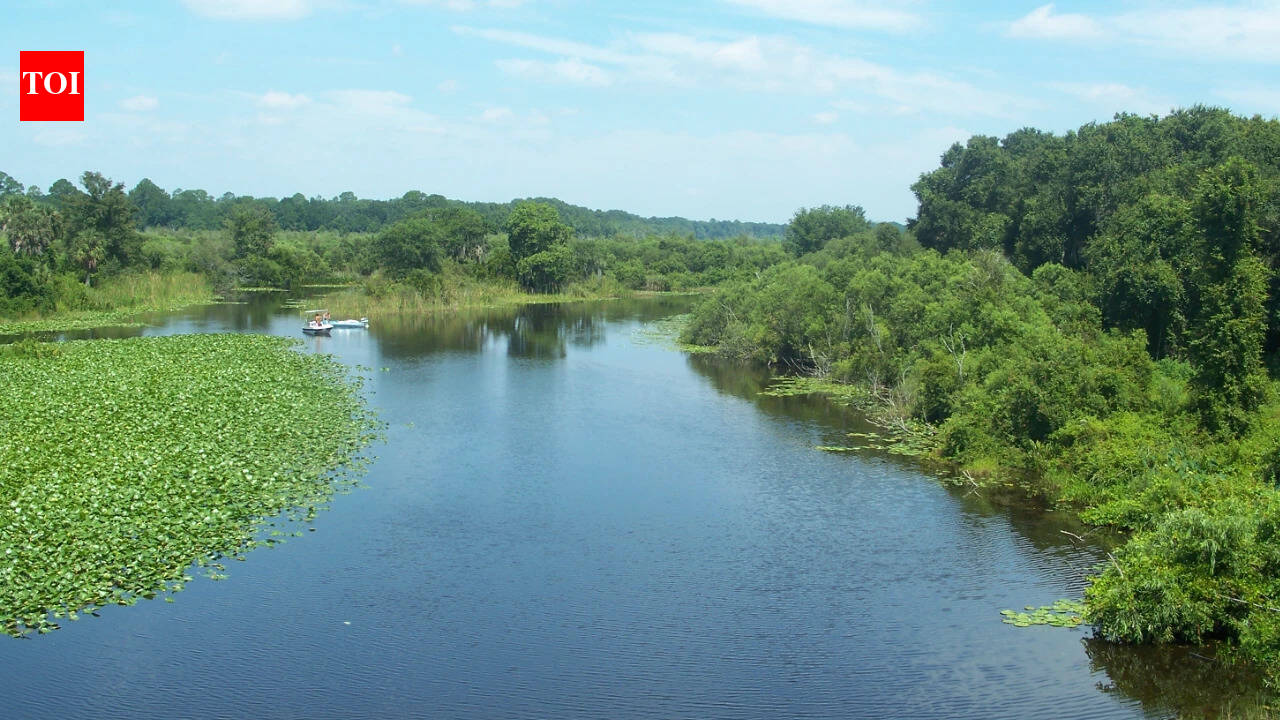
The country and its soil may have memories of everything it has endured over the years. In Florida, the Ocklawaha Prairie is one such area, where river movement, wetland drainage and decades of restoration have all contributed to the landscape that visitors can explore today.According to the St. Louis Water Management District. Johns River, in a November 19, 2026 report, The Ocklawaha Prairie Restoration Area near Moss Bluff in Marion County covers 6,301 acres and is part of the county’s larger effort to restore the Upper Ocklawaha River Basin. The area has undergone major changes over the years, with restoration work improving water quality, increasing stormwater storage and restoring 2,400 hectares of wetlands and associated wildlife habitat.Historically, the plain was a floodplain formed along the Ocklawaha River. Its landscape began to change in the late 1800s, when a new river channel was built, followed by diking and drainage works aimed at making the land suitable for farming. These interventions changed the landscape and the way water flows through it.Wetlands are interconnected ecosystems that are important for regulating water and providing habitat for wildlife. Therefore, restoring them involves more than restoring water to the land; it also means restoring some of the environmental functions affected by previous changes.
Restoring wetlands
The restoration of the Oclawaha Prairie forms part of a larger effort by St. Johns River Water Management District to restore the Upper Ocklawaha River Basin to its natural state. The county began acquiring land as part of this project, with the goal of developing the land and the water systems connected to it.Today, remnants of the historic river channel can still be seen running through the area, while the C-212 canal follows the eastern boundary of what was once the original floodplain. Therefore, the landscape provides an opportunity to see how different stages of human intervention have left their mark on the same place.One of the most important results of the restoration has been the restoration of 2,400 hectares of wetlands and their associated wildlife habitat. According to the district, the work also improved water quality in the area and downstream, while expanding the capacity of the flood storage area. These benefits are interconnected, as wetland restoration can help support water flow and storage while providing habitats for wildlife that depend on these areas.The plain is also part of a larger wetland system that includes Tiger Den and Marshall Swamp. This connection makes the restoration especially meaningful, since the landscape is not alone. Its waterways and habitats are part of a wider ecosystem, making the protection of individual areas very important for the environment as well.
The forest and its monumental value
Spread across 314 hectares, the Chornobyl Memorial Forest was established to commemorate the survivors and those who lost their lives in the April 1986 nuclear disaster in Ukraine.Planted with longleaf pine, the forest represents renewal, rebirth and restoration. Its existence within a larger space brings together two very different ideas of commemoration: the restoration of the natural environment and the commemoration of the people whose lives were affected by one of the most devastating nuclear disasters in history.The memorial forest is a rare addition to the restoration area, which offers visitors the opportunity to encounter an area dedicated not only to the environment but also to an important moment in human history.
It is more than a place to explore
For those visiting the area, the Ocklawaha Prairie Restoration Area offers several ways to experience its natural environment. Visitors can explore the area by hiking, biking and horseback riding, while fishing and nature study offer other opportunities to spend time outdoors. Primitive camping is also allowed in designated riding areas, although visitors must obtain a permit.The Ocklawaha River offers additional boating and boating opportunities, and visitors can access the area by water. However, the district notes that there is no boat launch in the area. Waterfowl hunting occasionally takes place within the area.
Source link