Namibia moves 575 wild animals from drought-hit Etosha National Park to conservation areas, aims to restore wildlife population and provide lions with more prey |

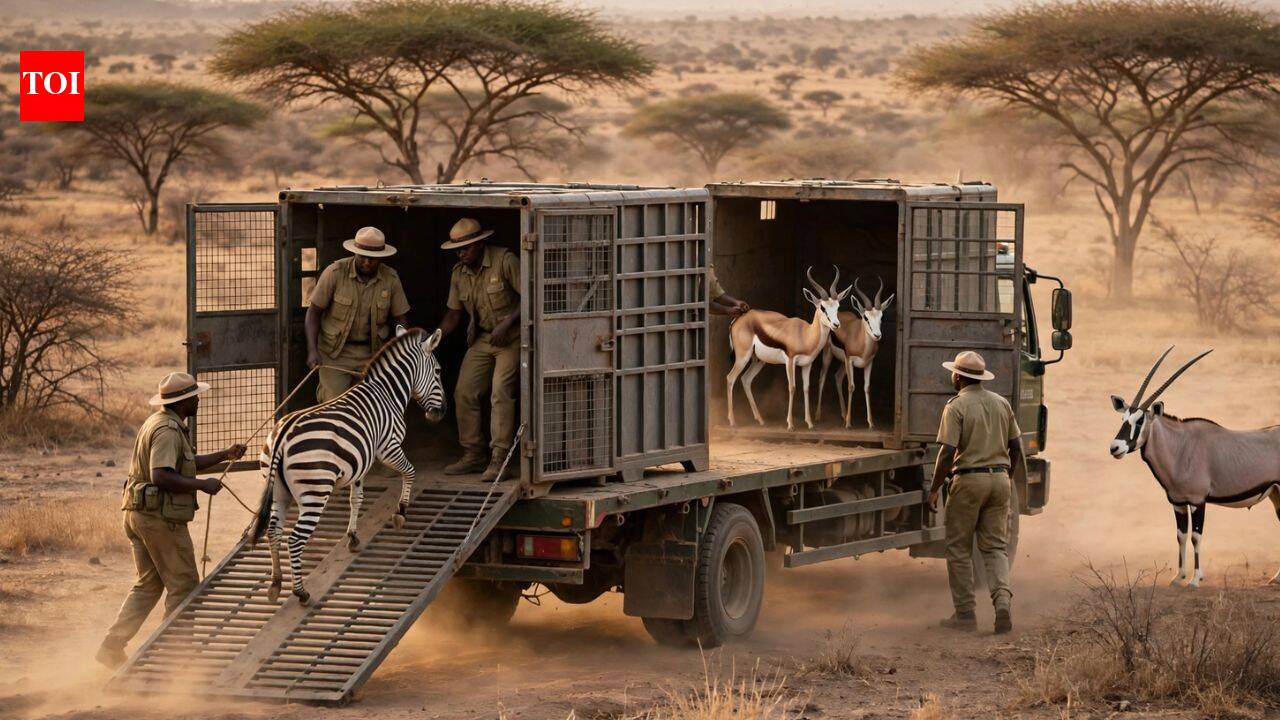
Namibia has moved 575 wild animals from Etosha National Park to conservation areas in three regions as part of an effort to restore wildlife affected by drought. These animals were sent to Kunene, Otjozondjupa and Omusati areas, with an operation that took place for about 8 days in June 2026. The move involved springbok, gemsbok and plains zebra, distributed between Kunene district, Nyae Nyae Conservancy and Uukwaluudhi. The project also sought to increase biodiversity, provide predators such as lions, and reduce human-wildlife conflict.According to the Namibian newspaper, the move took place between 22 and 29 June. The Department of Environment and Tourism has also revealed further animal movements are planned for the coming months as part of future conservation work.
How Namibia transferred 575 wild animals from Etosha National Park
The largest group that migrated to the Kunene region included 256 springbok and 190 gemsbok. Another 90 zebras were moved to the Nyae Nyae Conservancy, while Uukwaluudhi found 15 gemsbok and 24 plains zebras. Together, these five groups include all 575 animals included in June’s operation.The areas visited were Kunene, Otjozondjupa and Omusati, according to the department. The figures show how the animals were divided between the receiving areas and which species were included in each area.
What were the goals of Namibia’s wildlife translocation program?
The department has identified many objectives for this project other than moving animals between areas. It said the project aims to restore wild animals affected by drought and increase biodiversity. It was also intended to provide prey for predators such as lions. The department added that the move is aimed at ending human-wildlife conflict.This statement links wildlife movement to population sustainability, biodiversity and the management of human-animal conflicts. It does not provide a detailed description of how each objective will be measured or the expected results for individual conservation areas.
What role does the Namibian Science Service play? wildlife conservation
The Directorate of Scientific Services of Namibia is the scientific branch of the Ministry of Environment and Tourism. Its mission includes conducting and coordinating wildlife research and monitoring, as well as providing professional scientific and technical advice on conservation and resource management.The unit also captures and transfers wildlife to support protected area management, conservation and restoration of wildlife diversity and the expansion of wildlife resources in rural communities. According to the Ministry of Environment and Tourism’s Directorate of Scientific Services of the Namibian Ministry of Environment, it also supports national programs for the conservation and management of species including rhinos, elephants, black-faced impalas and lions.
Namibia defines the next phase of wildlife migration
Other wildlife movements were planned for months after June’s work. The Ministry said these include sending 150 gemsbok to the Kunene region. It also planned to transport 20 giraffes and 200 common impalas to the Nyae Nyae Conservancy. The planned move will add two new species, giraffe and common impala, as well as more gemsbok.The department presented it as more transfers planned in the coming months, not as animals already moved during the June exercise. Wildlife translocation is also among the conservation activities listed in the guidelines.
Source link