A Detroit interior designer is converting a 1912 church into her family home, preserving its historic character while planning to turn the finished space into a designer showroom that benefits children.

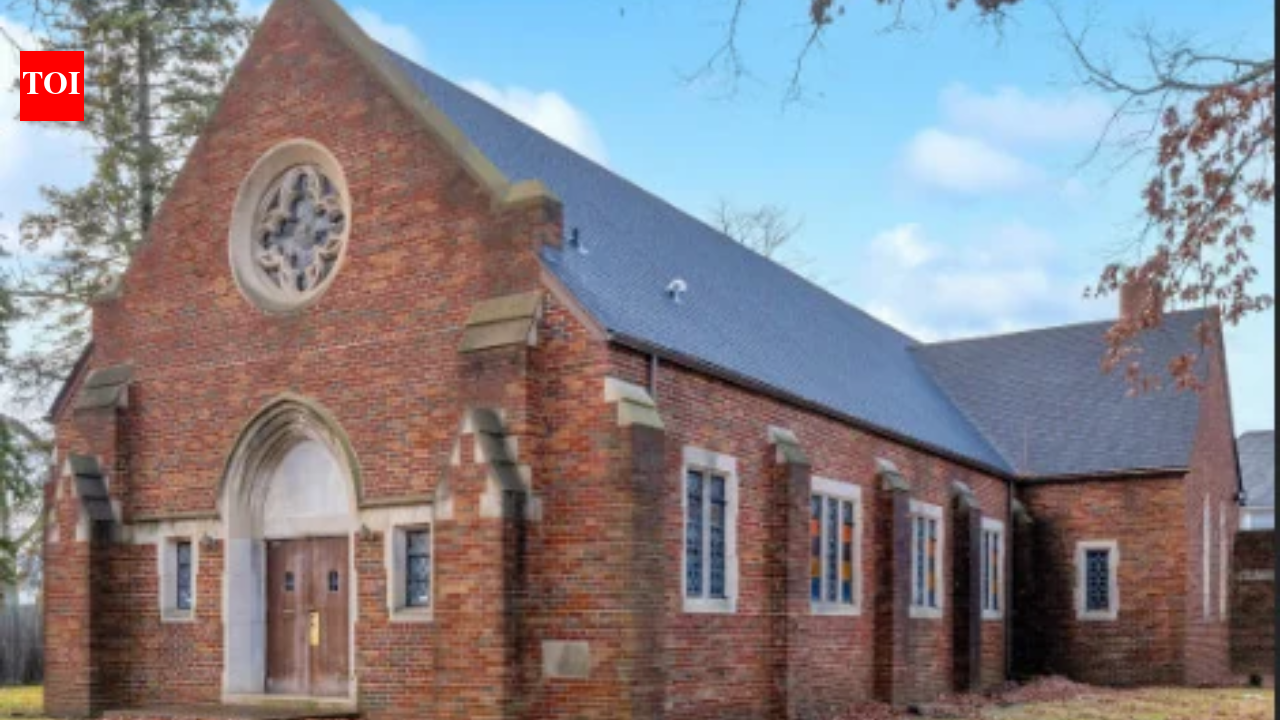
The church that once echoed with hymns has been reimagined as a family home, with its vaulted ceilings and cornice windows creating bedrooms, a library and a meditation area. But for Detroit interior designer Rachel Nelson, the transformation of a historic building is not just about creating a dream house, she hopes to open the doors as a designer exhibition and use the project to make design education more accessible to children.Nelson, CEO and chief designer of Detroit-based design studio Concetti, and her husband Joe Trobaugh restored a vacant church in the city’s Indian Village neighborhood. The project, called Divinely Detroit, combines a personal residence with a broader effort to preserve historic buildings and support the next generation of creative talent.According to Concetti’s project website, the church had been vacant for about 15 years before the couple found it. The building was originally used by St Luke’s Evangelical Lutheran Church and later housed the Mount Olive East Missionary Baptist Church.Nelson initially considered the property as a potential office space for his design firm. But after seeing its architectural features, she and Trobaugh began to consider it their home. “We always said, ‘One day we’re going to live in Indian Village,’ but we never thought it would be this way,” Nelson told the Detroit Free Press in February 2025.The couple purchased the property for an estimated $390,600 in December 2024, after submitting plans to the Detroit Land Bank Authority and the city’s historic preservation commission. The renovations were estimated at about $600,000 at the time, although the final cost and timeline for completion may change as the project progresses.The original structure of the church is the foundation of the work. Its red brick exterior, with stone detailing, leaded glass windows and iron shutters are among the things city preservation officials have asked the owners to keep or restore.Inside, the couple plans to create a modern family home while maintaining the unique character of the building. The design includes four bedrooms, three full bathrooms and one half bathroom, and an open living area. A double staircase is planned to connect the main floor to the upper level.The former choir balcony is expected to become a library and meditation area, with a fireplace providing a quiet place to sit. A flat-roofed section at the rear of the building is being prepared to accommodate a garage and roof deck.One of the challenges of converting the church into a residence was to meet modern building requirements without disturbing its historic appearance. Nelson told the Daily Detroit that the team had to find ways to create complementary windows for bedroom exits while ensuring that the new openings would not change the street-facing character of the building.The project also involved architects and construction professionals familiar with historic buildings. Concetti is leading the design, while Detroit-based 4545 Architecture worked on historic approval, structural issues and permits.Nelson has been writing about renovations on social media, sharing the decisions, obstacles and discoveries involved in adaptive reuse, the process of giving an existing structure a new purpose rather than tearing it down.In June 2026, the couple opened Divinely Detroit to visitors during the Indian Village Home and Garden Tour. More than 500 people passed through the area, which was still under construction, to see the ongoing renovation. The tour gave visitors an opportunity to understand how historic buildings can be adapted for modern use while maintaining their architectural identity, Concetti said in reviewing the project.The couple’s plans extend beyond their home. Once the renovation is complete, Divinely Detroit is expected to host the designer’s annual exhibition, beginning in 2027. The event will showcase the work of Detroit designers, artists and builders, allowing visitors to see how different creative professionals approach the same historic site.Proceeds from the showhouse will support Detroit Deserves Good Design, an initiative focused on making quality design more accessible and creating educational opportunities for students and aspiring designers. The program aims to introduce children and young people to creative activities they may not otherwise have the opportunity to explore, including interior design, architecture and other fields linked to the built environment.Concetti describes the project as a way to show that design is more than decoration. By preserving historic buildings, investing in neighborhoods and opening up creative opportunities, this initiative hopes to show how thoughtful design can contribute to a city’s future.For Nelson, Divinely Detroit is therefore a home and a community project, giving the empty church a new purpose while inviting the community to participate in its transformation.
Source link