
5 things people do in temples that have a deeper meaning than you think |

For many people, a visit to the temple does not come with a book. You grow up watching your parents do certain things, and then you start doing them yourself. Shoes are left at the door, a bell is rung, hands are folded before the deity is taken and prasad is taken before leaving. After years of doing the same things, it’s easy to see them as routine. But many of these common temple practices have a thought or belief behind them that is easy to miss.
1. Taking off your shoes before entering
The first thing you do in most temples is to leave your shoes outside. Yes, there is an obvious reason to keep the temple floor clean, but there is also a simple idea attached to it. You leave something that belongs to the outside world before you enter the place of worship. Everyone does the same thing, whether they come with expensive shoes or simple slippers. For a few minutes, what you wear, what you have or what you do for a living doesn’t matter. You go in barefoot like everyone else.
2. To ring the bell
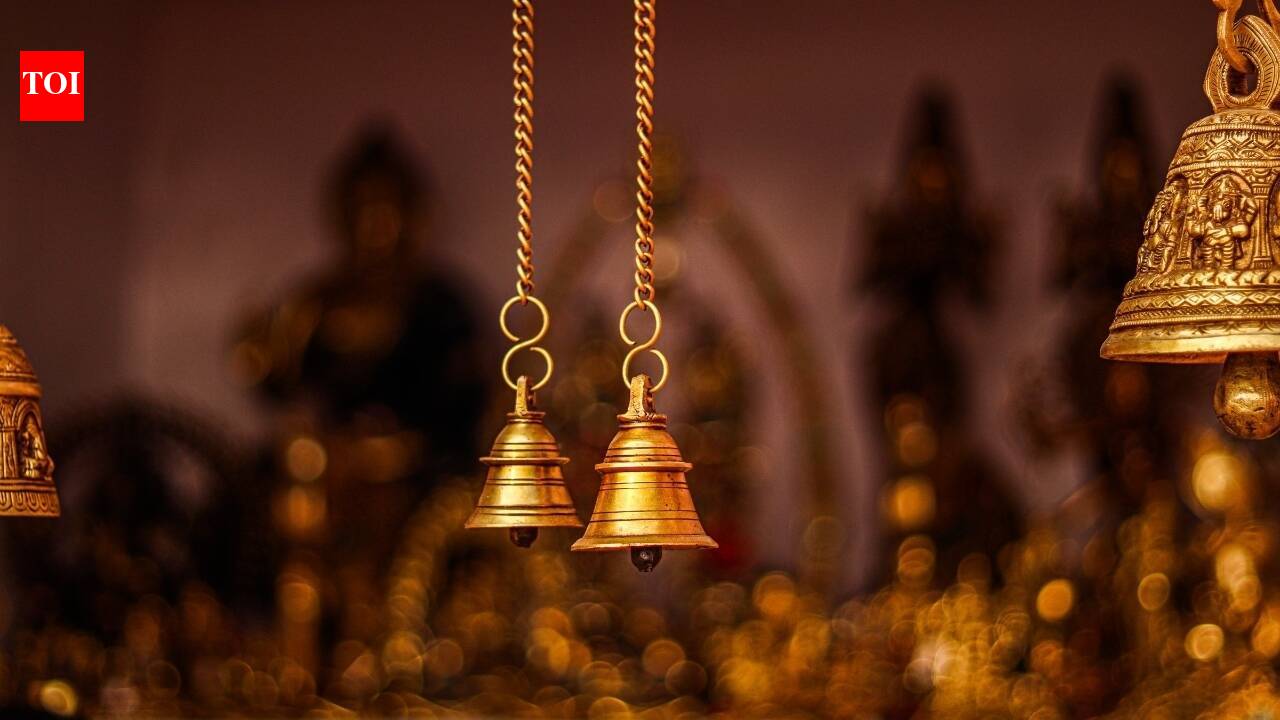
That loud bell near the entrance is almost impossible to ignore, especially when several people hit it in a row. In many Hindu traditions, ringing the bell is associated with beginning worship and drawing one’s attention to God. There is a practical side to this practice as well: sound can break the train of thought that you are carrying outside. You may have been worried about work, money or a family problem, but when the bell rings, your attention changes. For those few seconds, you are really in the temple.
3. Circling the god
You may have seen devotees circling the shrine after offering prayers. This is called pradakshina or parikrama, and the direction and number of cycles can vary depending on the deity and culture. At the heart of it is the idea of keeping the divinity in the center while you walk through it. There is a silent message in that act. At the same time, you don’t put your worries in the middle of everything. You walk slowly, pray and go back, often taking more time than you would if you were just in darshan.
4. To bring an offering
A visit to the temple usually starts with carrying something in your hands: flowers, fruits, sweets, coconut or other offering. It’s easy to think of this as something you bring because that’s what people always do. But giving something before asking for a blessing has its own significance. It creates a moment of giving instead of just asking. Your offer doesn’t have to be expensive or elaborate. The thought behind it is more important than the size of the offering, which is why even small flowers can have a place in a person’s prayer.
5. Taking prasad after darshan
There is something almost childlike about waiting for prasad at the temple. Sometimes it is a small piece of ladoo, a small halwa, a fruit or something else offered during worship. But the devotees don’t usually give you ordinary sweets taken on the way home. It is received carefully and eaten with respect because it was first offered to the gods. The word prasad itself is associated with the concept of a gift of grace or a blessing. So that small portion given to you at the end of the temple visit has a meaning beyond its taste.Thumbnail: Canva (for representational purposes only)
Source link