Coca-Cola bought Gold Spot from Parle Bisleri in 1993, but gave it up in 2000 to make way for Fanta; 26 years later it will be re-launched with a low or no sugar version amid growing competition from Campa and Lahori Zeera.

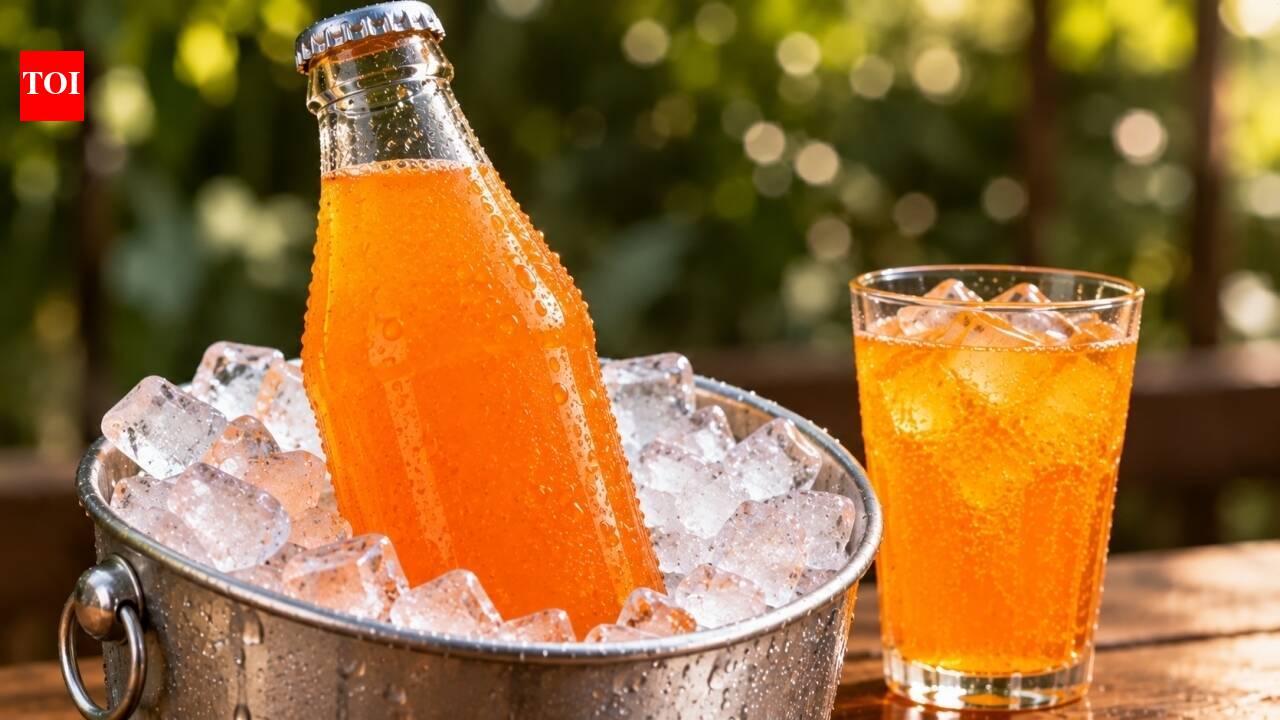
Coca-Cola is preparing to bring back its carbonated orange drink Gold Spot after a gap of 26 years. The move comes at a time when competition in the beverage market is intensifying and demand for sugar-free products is gathering, people familiar with the development said.The Indian arm of Coca-Cola bought Gold Spot in 1993 from Ramesh Chauhan, owner of Parle Bisleri, along with Thums Up and Limca. The Atlanta-headquartered beverage company abandoned Gold Spot shortly after the acquisition to make way for Fanta, its global brand.“Gold Spot is coming back as a low-sugar, sugar-free drink, so it won’t crowd Fanta. It is expected to be on the shelves from next week,” an executive with knowledge of the matter told ET.
The return of the Gold Spot
Meanwhile, pictures and texts circulating on social media over the weekend show former Indian cricket captain MS Dhoni and his wife carrying cans of Gold Spot. The post went viral, though it is not yet clear whether Dhoni has been signed on as a brand endorser.The Gold Spot, which was promoted with the tag line ‘zing thing’, was withdrawn by Coca-Cola in 2000 as the company sought to replace Fanta.“The profitability of the renewable energy products market after a long gap depends entirely on adequate investment in distribution, production and marketing,” the official quoted above told the financial daily. “Others like Thums Up, have been leading the Indian cola market, ahead of Coca-Cola Coke and its rival Pepsi, even without investing in the initial years.”Unlike colas, which account for the lion’s share of the Rs 60,000 crore carbonated drinks market, orange-flavored drinks represent a smaller share of overall sales.Gold Spot’s planned return comes at a time when consumers are increasingly turning to healthier options. The market is also facing intense competition, while New Delhi has proposed a regulatory requirement for red hexagonal labels on the front of all food and drink packages to indicate excessive levels of sugar, salt and fat.In recent months, brands like Reliance Consumer Products’ Campa, Lahori Zeera and Bindu Zeera, as well as new brands including ITC’s Coconut Cola and Veera Foods’ Zyro, have challenged the long-standing dominance of Coca-Cola and PepsiCo in India for the first time.At the same time, sales of Coca-Cola’s low-calorie and sugar-free drinks rose sharply. These include zero-sugar brands under its flagship brands Coke, Sprite and Thums Up, as well as Schweppes, Powerade and Rimzim. Sales of these products have doubled this year compared to last year, according to two bottling industry partners.Participants say food and soft drinks now account for more than 60% of Coca-Cola’s annual sales, up from about 30% last year.Varun Beverages, which partners with PepsiCo in bottling, has also recorded a significant increase in demand for drinks with reduced or no sugar. Sales of these products doubled to 88% of total sales in the July-September 2026 quarter, compared to 44% in the corresponding period last year. The category also includes water and sodas.
Source link