‘A lot of video budget went into making Steve Strange’: Midge Ure on how Visage made Fade to Gray | Tradition

Midge Uresinger, songwriter
Visage was a combination of three bands: Rich Kids, Magazine and Ultravox. Since all three were on tour, getting everyone in the studio at the same time was impossible. Anyway, we were making our first album and we were one song short, when this gift from God came.
We had no money so I had been moonlighting with Thin Lizzy, and the keyboard player Billy Currie had been playing with Gary Numan. Fade to Gray started life as an instrument that Billy had been discussing with Chris Payne from the band Numan for sound checks. They tried to release it but no one was interested. I thought it was fun and suggested we write songs to use on the Visage album.
The instrumental created this wonderful atmosphere – mysterious, haunting, dark, dystopian, film noir – that put images in my head. I imagined a boy sitting in a train station with a suitcase, trying to escape for his life, that’s why: “One man is in a lonely place, one case is sitting next to him …” There is a word in the making of the video, “fade to black”, but I changed it to the song because it gave the idea of changing to something. I thought of a man getting on a train without knowing where he would end up.
The music was already recorded so we didn’t make a big deal out of it. I think Rusty Egan played electric drums. Steve Strange was a former musician but he was not a natural musician. So I put the voice down, and he sang while listening to my voice on headphones – what came out of his mouth was the same music, but in his own voice. You can hear me on the “aahs”, “fade to gray” and other harmony parts. Rusty had a Belgian girlfriend, Brigitte Arendt, so someone – probably Rusty – suggested that he read the article in French and a translation of the words. It was the icing on the cake.
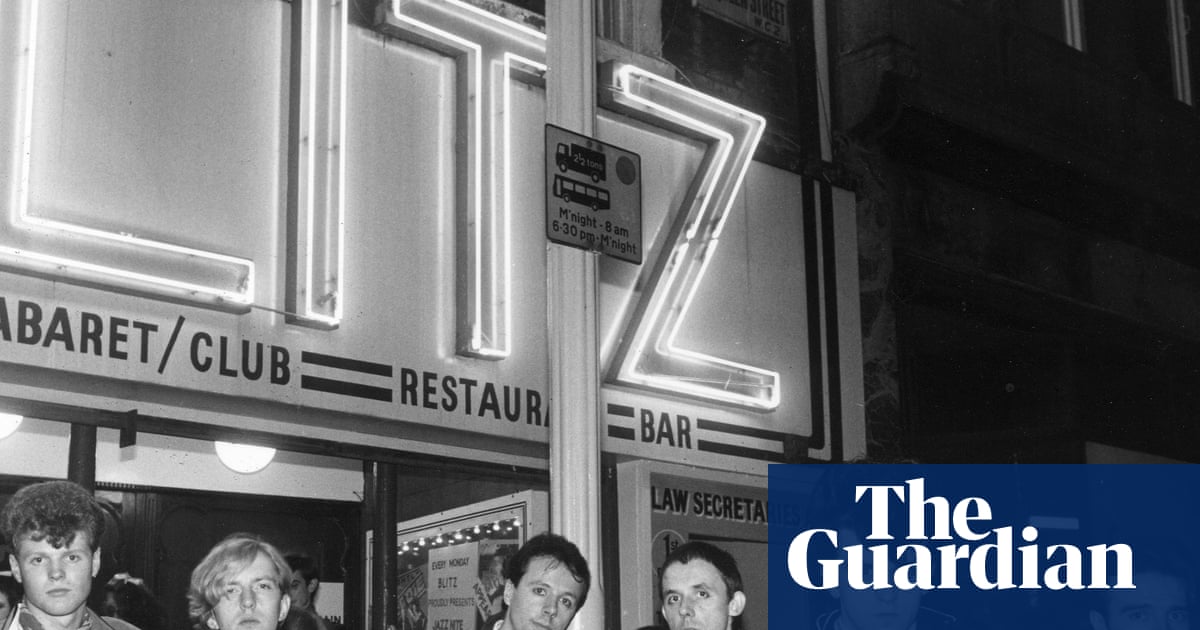
Godley and Creme wanted to introduce themselves as videographers so they made one for us for just £1,500: most of that was Steve’s make-up artists. The song and video seem to take a while: Blitz club, New Romantics, synthesisers. Then suddenly it was on the charts all over Europe.
Chris Paynekeyboards, songwriter
Fade to Gray started in 1976 or 77 when I was a music student in Chichester and we had to come up with something. I was really into pre-Raphaelite paintings – Millais’ Ophelia and stuff like that – so I wrote a love study with songs that ended up being Fade to Grey, but playing the piano differently. After I joined Gary Numan’s band, I used to play the songs on the Polymoog synth and the bassline on the Minimoog. One day Billy and drummer Cedric Sharpley stepped in. As the journey progressed, we improved it through sound testing.
After the tour, Billy had to go back to Ultravox, so we wanted to record it as a souvenir. We used producer Martin Rushent’s studio in London, but when we set up the gear the Minimoog wasn’t there, only the Polymoog. However, the brass setting gave the bassline a different attack in Fade to Gray. Cedric started the song with a CR-78 drum machine and put the drums down. Billy sprinkled a synth over it and that was it. The arrangement was created in an instant. Then Billy called and asked: “Do you mind if it’s on the Visage album?”
And the rest is history. The next thing I know my publisher is calling me saying it’s Number 45. Then my neighbor walks in and says: “Top of the Famous People! And there’s this amazing video.” Then it was in the Top 10 – and No 1 in other countries.
I am very happy with its success. On YouTube, there are tons of people doing unique things. I just did a version of Midge’s new album, and my wife sang a French song. The circle is full.
Source link