A virus found in animals called Shamonda, which often circulates in livestock, has infected and killed a human for the first time, raising new questions about diseases jumping from animals to humans.

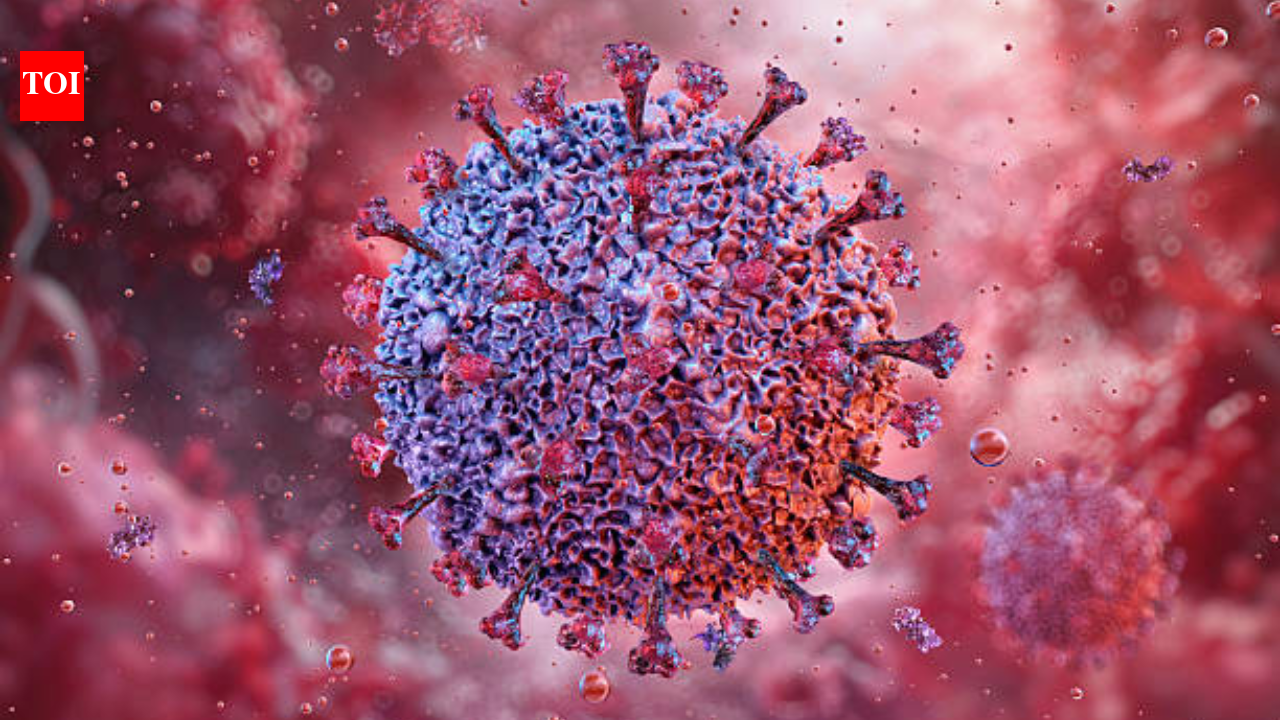
It is the first time that a person has been infected and killed by the Shamonda virus, a disease-causing virus previously known to only infect animals. While the incident is unlikely to herald a more widespread outbreak, it is a powerful reminder that viruses can jump from animals to humans, with deadly consequences.According to a Scientific American report, a 61-year-old man who was being treated for leukemia at the Civil Hospital in Lyon in France was diagnosed with the disease. According to a case report published in Eurosurveillance, the man had a stem cell transplant and suffered fatal encephalitis, or inflammation of the brain. He showed symptoms, such as blindness and confusion, that the authors of the report say may have been caused by the virus. The suspect collapsed and died of the disease on October 9, 2026, after life support was withdrawn. He is the first person ever known to have contracted this disease and died as a result.In a joint statement, the Ministry of Health and the Ministry of Agriculture of France said they suspect that the patient contracted the disease as a result of a bite in eastern France, where the disease was found in several animals. Officials reported their findings to the World Health Organization and the European Center for Disease Prevention and Control (ECDC).Shamonda virus was first identified in cattle in Nigeria in 1965. Spread by the bite of small insects called Culicoides midges, it causes several symptoms in animals, including fever, diarrhea and reduced milk production. The virus is also known to infect sheep, goats, horses and alpacas. In the past, cases have been found in other African countries, Japan and—for the first time this summer—in Europe. There are no medicines to protect animals or people from Shamonda diseases.Shamonda has been found in livestock in 14 European countries. Two new strains of the virus, SHAV-EU1 and SHAV-EU2, were discovered earlier this year, and genetic testing revealed traces of the first strain in the deceased’s cerebrospinal fluid, urine and saliva, among other samples.The Shamonda virus belongs to the Simbu serogroup and belongs to the genus Orthobunyavirus—the same serogroup and species as the Oropouche virus, or sloth fever, which caused 9.4 million infections in Latin America and the Caribbean region from 1960 to 2025.So far, experts have emphasized the need for caution. “Currently, there is no evidence that the Shamonda virus will become more common in humans,” said clinical epidemiologist Grégory Destras. He is affiliated with the same hospital in Lyon and is a co-author of this report. Destras notes that the virus may have spent several weeks incubating and multiplying in the patient before neurological symptoms appear.Natasha Tilston-Lunel, a virologist at the Indiana University School of Medicine, highlighted the Oropouche cases, but noted that the Schmallenberg virus, which is closely related to Shamonda, has been found in livestock but not in humans. According to him, Shamonda may also have limited transmission between people. Continued monitoring of livestock and aborted embryos, parasites and sequencing of human samples, however, will be critical to detect any changes in Shamonda’s risk to humans, he said.Veterinarian Martin Beer of the Friedrich Loeffler Institute in Germany is part of a team that has conducted several studies on the Shamonda virus, including the recent publication of the first evidence of its presence in European sheep and goats. Beer said the main route of transmission of Simbu serogroup viruses is the bite of midges, which can spread disease quickly, especially in the summer and fall. “In winter the transmission cycle stops as the number of biting midges is very low and temperatures below 12 degrees Celsius do not allow effective virus multiplication,” he said.A spokesperson for the ECDC told Scientific American that the agency needs clarification on the transmission of the virus and the role of vectors in infecting people. Destras suggested that retrospective analysis of archived samples from immunocompromised individuals could identify asymptomatic infections and the true extent of Shamonda in France.Further research to analyze the prevalence of antibodies against Shamonda in humans can give a clear picture of whether the virus has jumped into humans before and they didn’t see it because no one died.
Source link