Nevada’s Lake Mead Fish Hatchery reopens after prolonged drought cuts off water in 2022; new pipeline restores access to water and allows breeding programs for endangered native fish in the Lower Colorado River to resume |

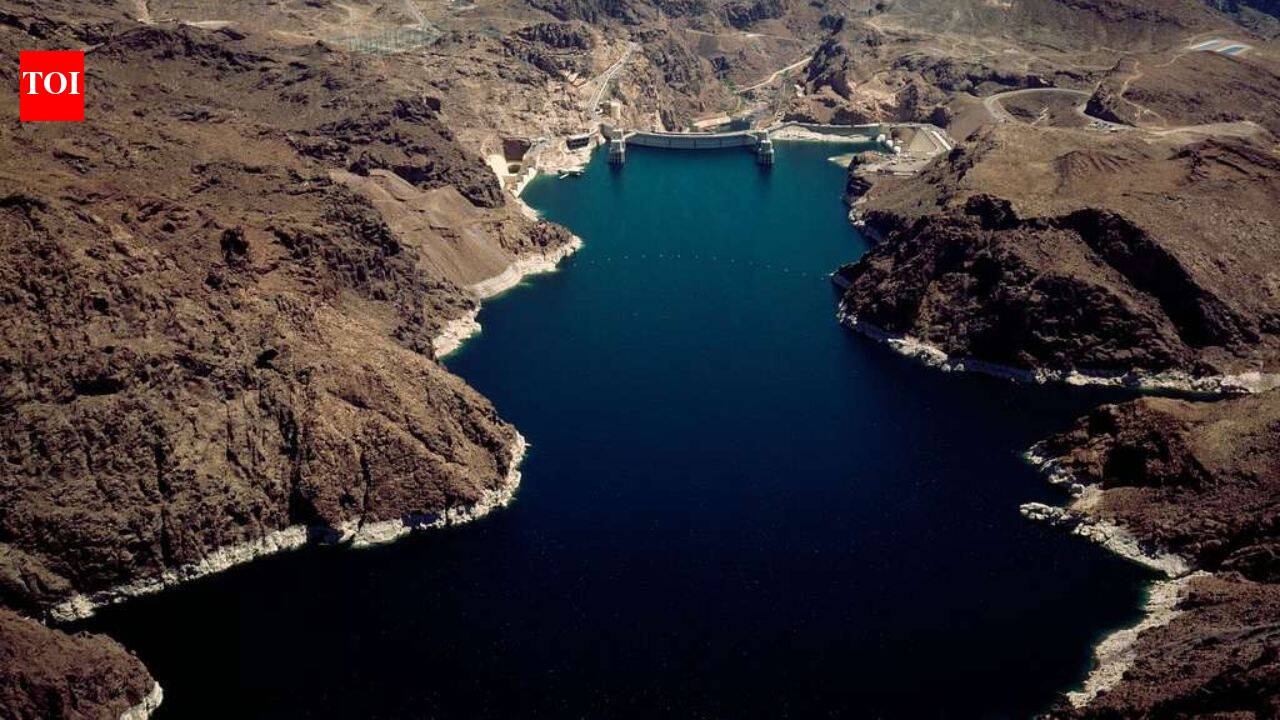
The Lake Mead Fish Hatchery in Nevada is back in operation after being without water for nearly 4 years, following a prolonged drought that caused the lake’s water to drop below its original feeding system. The facility, which plays an important role in raising endangered native fish for release into the Lower Colorado River, was forced to cease operations in 2022. The new pipeline, developed in collaboration between federal and state agencies, has now restored water and allowed fish farming operations to resume.
The Lake Mead Fish Hatchery will cease operations in 2022
When the original system to deliver water to the Nevada Department of Wildlife’s Lake Mead Fish Hatchery stopped supplying water in 2022, the hatchery could not operate. The ongoing drought and historically low water levels in Lake Mead meant that the existing infrastructure was unable to supply the facility with sufficient water.The initial spawning system was 1,050 feet above the lake’s water level, according to an announcement by the US Bureau of Reclamation in August 2022. The hatchery could not continue its fish-raising operation without reliable supply.The shutdown also created problems for ongoing conservation work. All native fish were displaced, temporarily halting an important part of the Lower Colorado River Multi-Species Conservation Program (LCR MSCP).This program supports the recovery of native fish in the Colorado River, especially species that have come under severe pressure from changes in their habitats and river activity.
How the new pipeline restored the hatchery
The first major step to bring the facility back to life was in late 2022 when the US The Department of the Interior has provided funding for a new water delivery system.The Bureau of Reclamation has worked with the Southern Nevada Water Authority (SNWA) to determine how to continue moving water even if Lake Mead’s levels drop significantly. Instead of relying on the original intake system, the agencies planned a new pipeline connected to the existing infrastructure at the Alfred Merritt Smith Water Treatment Facility.The Bureau of Reclamation detailed an $8.5 million investment from the Bipartisan Infrastructure Law to identify and conserve endangered species in the Colorado River Basin. The grant was intended to support the transformation of the drainage system in the area where the hatchery is helping to restore its ability to supply fish to the conservation system.The new system was designed to draw water from the Lake Mead area below levels expected during further declines. This was important because the hatchery needed a more reliable supply.According to the Bureau of Reclamation, the pipeline was completed in the summer of 2026. Its completion restored a reliable water supply, allowing indigenous fish farming activities to resume after nearly four years.
Which endangered fish species will benefit from the reopening?
The return of the hatchery is particularly important for two species of native Colorado River fish, the bonetail and the razorback sucker. Both are part of the conservation work supported by the LCR MSCP.The program aims to raise and release native fish to help maintain their population in the Lower Colorado River. The Bureau of Reclamation said the restored hatchery supports a long-term goal of producing 1.28 million native fish over 50 years. These fish are meant to be released downstream of Hoover Dam.A previous Bureau of Reclamation report, published on January 30, 2019, described the role the Lake Mead Fish Hatchery plays in raising endangered resource mammals. Young fish are kept in temperature-controlled facilities, where they can grow in protected conditions before being prepared for release into designated areas.Fish biologists use hatchery populations to study their age, health, growth and survival, to help researchers understand how well these species are responding to recovery efforts.
The hatchery supports fish conservation beyond breeding
The hatchery operation does not end when the fish are raised and released. Monitoring their condition and survival after release is also an important part of the conservation plan.A 2019 Bureau of Reclamation report explained that razorback suckers were fitted with passive integrated transponder (PIT) tags before being released to designated areas. These tags can be detected by underwater antennas placed at different locations along the lower Colorado River.This system allows biologists to monitor the fish’s movements without repeatedly catching them, reducing unnecessary stress on the animals. Researchers also collect information about their height, weight, gender, age and physical condition to understand how people grow.The same report noted that fisheries managers from federal and state agencies had found more than 320,000 juvenile razorback suckers in the main channel and major tributaries of the Colorado River since 2005.The razorback sucker is listed as endangered under the federal Endangered Species Act. Historically it covered many parts of the Colorado River Basin, especially the slow river sections, backwaters and other protected areas.Although the hatchery is recovering, drought conditions remain a challenge across the Lower Colorado River Basin. Its reopening does not remove the wider pressure on the river’s ecosystem, but it restores important habitat needed for native fish.
Source link