Quote of the day on love by Khalil Gibran: “Love has no other desire than to fulfill itself,” and what it teaches us about true love.

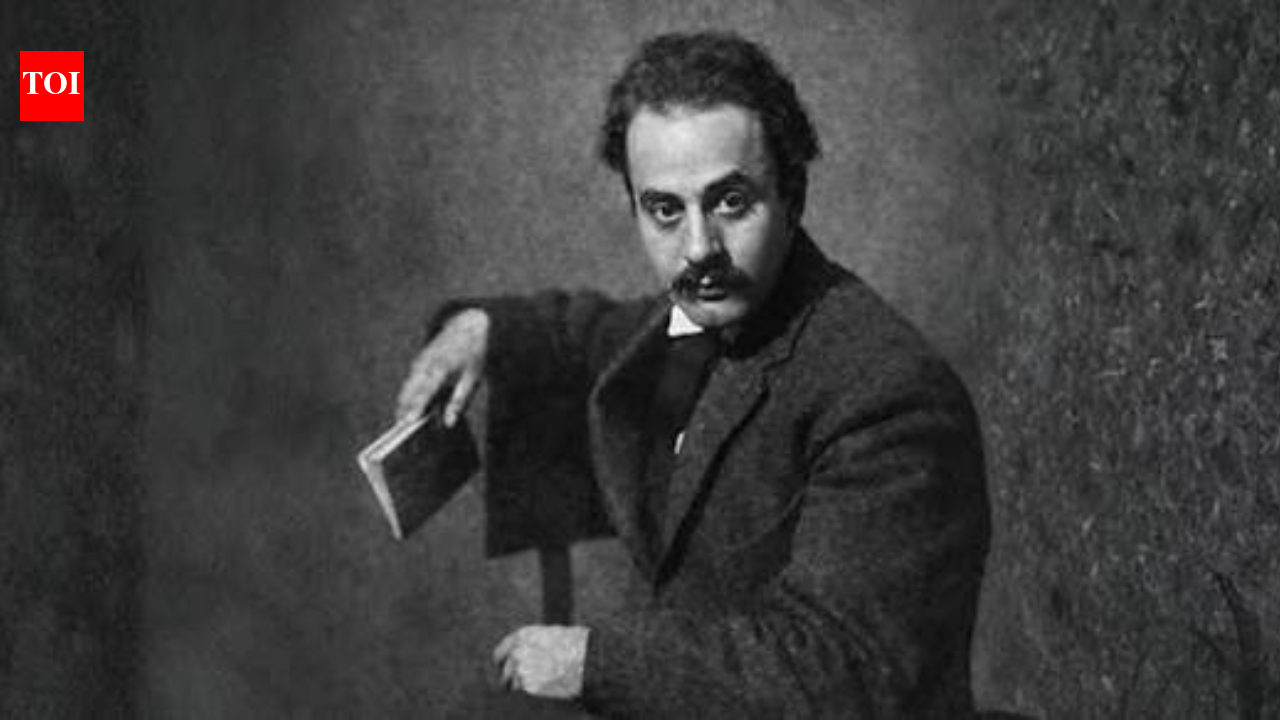
Love is measured by how much two people do for each other, how often they express their feelings or how strongly they want to be together. But what if love isn’t about getting something in return? The Lebanese-American poet Kahlil Gibran offers a thoughtful answer with one of his most beautiful lines: “Love has no other desire than to fulfill itself.”
“The quote reminds us that true love is not a transaction. It is something that grows with understanding, acceptance and the freedom to let the other person be who they are.
Where does this beautiful saying come from?
This quote is from The Prophet, Kahlil Gibran’s famous book of poetry, first published in 1923. It appears in a chapter titled ‘In Love’, where a character named Almitra asks the main character, Almustafa, to talk about love.Gibran (1883-1931) was a Lebanese-American poet, writer and visual artist. His writing explored love, relationships, spirituality, freedom and human emotions. Although he considered himself primarily an artist, his literary work brought him international recognition.In this chapter, he describes love as something that can bring happiness but also challenge people, change their perspective and reveal parts of themselves that they may not have known existed.
It’s not always about wanting something in return
Gibran’s words challenge the idea that love must always be rewarded. Sometimes, relationships become difficult because people start keeping an emotional account of everything.One person remembers who called first, who apologized, who sacrificed more and cared more. Little by little, love starts to feel like an obligation.This quote is another way of looking at love. It suggests that true love should not depend on keeping score.
It doesn’t mean accepting a one-sided relationship, but understanding that all acts of love don’t need immediate reciprocation.
Loving someone doesn’t mean owning them
One of the main ideas in Gibran’s chapter is that love should not be a commodity. Loving someone deeply does not give anyone the right to control their friendships, decisions, desires or personal space.In everyday relationships, this means allowing your partner to enjoy the things he or she likes without feeling threatened.
It means understanding that two people can share life without being one person.A healthy relationship should feel like a place to return to, not a place where someone feels trapped.
Love should help both people become more of themselves
Gibran’s understanding of love goes beyond the comfort and joy of love. In the same chapter, he describes love as something that can challenge and transform people.This is an important lesson for married couples. A loving partner should be able to point out faults without making the other person feel inferior.
Both people should feel motivated to grow, learn and change.For example, supporting a partner who wants to return to studies, change careers or pursue an unusual interest is also an expression of love. It shows that relationships are not threatened by individual growth.
How to bring this understanding of love into everyday life
The meaning of this saying becomes clear in small everyday actions.
- Stop keeping score: Do something thoughtful because it’s important to the relationship, not because a favor is owed.
- Respect personal space: Agree to maintain friendships, hobbies and interests outside of the relationship.
- Listen without getting defensive: Sometimes, understanding your partner’s feelings is more important than showing who is right.
- Celebrate each other’s achievements: Another person’s success should not feel like a competition within the relationship.
- Choose honesty over pleasing: Real love makes room for tough conversations, healthy disagreements and clear boundaries.
Finally, Gibran’s words remind us that love is not meant to be a struggle for control or validation. It should be something that allows two people to experience life to the fullest, without losing their individuality along the way.Disclaimer: This article paraphrases a text quote for general consideration. Individual relationships and emotional experiences may vary.