An Australian wildlife sanctuary bought 200 hectares of King Island to protect endangered species; one native bird he hopes to save has fewer than 100 individuals left |


The Australian Wildlife Conservancy (AWC) has purchased 200 hectares of land on King Island, Tasmania, to protect threatened wildlife, including a critically endangered bird with fewer than 100 individuals left.
The purchase marks the first conservation project in Tasmania and opens the door to expanding efforts to protect the island’s unique fauna.According to the Australian Wildlife Conservancy, the area, called the Boulder Wildlife Sanctuary, is located near the Lavinia State Reserve on the northeast coast of King Island. The area contains native vegetation that provides important habitat for endangered species.
AWC plans to work with the local community to protect remaining habitats and address threats from feral cats, invasive weeds and fire.
AWC buys 200 acres on King Island to protect rare wildlife
The acquisition of Boulder Wildlife Sanctuary marked the first expansion of AWC into Tasmania. The 200-acre site at 87 Martha Lavinia Road, King Island, provided an opportunity to build on the conservation work already being done by residents and organizations. The AWC forms the basis for the King Island Conservation Plan to be developed.The area lies adjacent to the Lavinia State Reserve on the island’s northeast coast and supports threatened native vegetation and high conservation value. AWC CEO Tim Allard said, “Local people have worked for decades to protect the island’s unique natural heritage.”“This acquisition represents an opportunity for AWC to build on the strong conservation foundations already established on the island and bring our conservation model to where it can have the greatest impact.”
 PC: Brad Leue/Australian Wildlife Conservancy
King Island 70% threatens its unique wildlife
King Island lies in the Bass Strait, between Victoria and Tasmania, and is internationally recognized as a key Biodiversity Area. It supports 470 native plant species, 164 bird species, 12 mammal species and nine reptile species. Among its birds there are seven endangered and two endangered species. However, the island has experienced significant environmental degradation since European settlement, and 70% of its native vegetation has been replaced by agriculture.
The remaining habitats have become increasingly fragmented, which has contributed to the loss of habitat for several species, including the Forty-spotted Pardalote, Glossy Black-Cockatoo and Gang-gang Cockatoo.
A bird with less than 100 individuals is facing a battle for survival
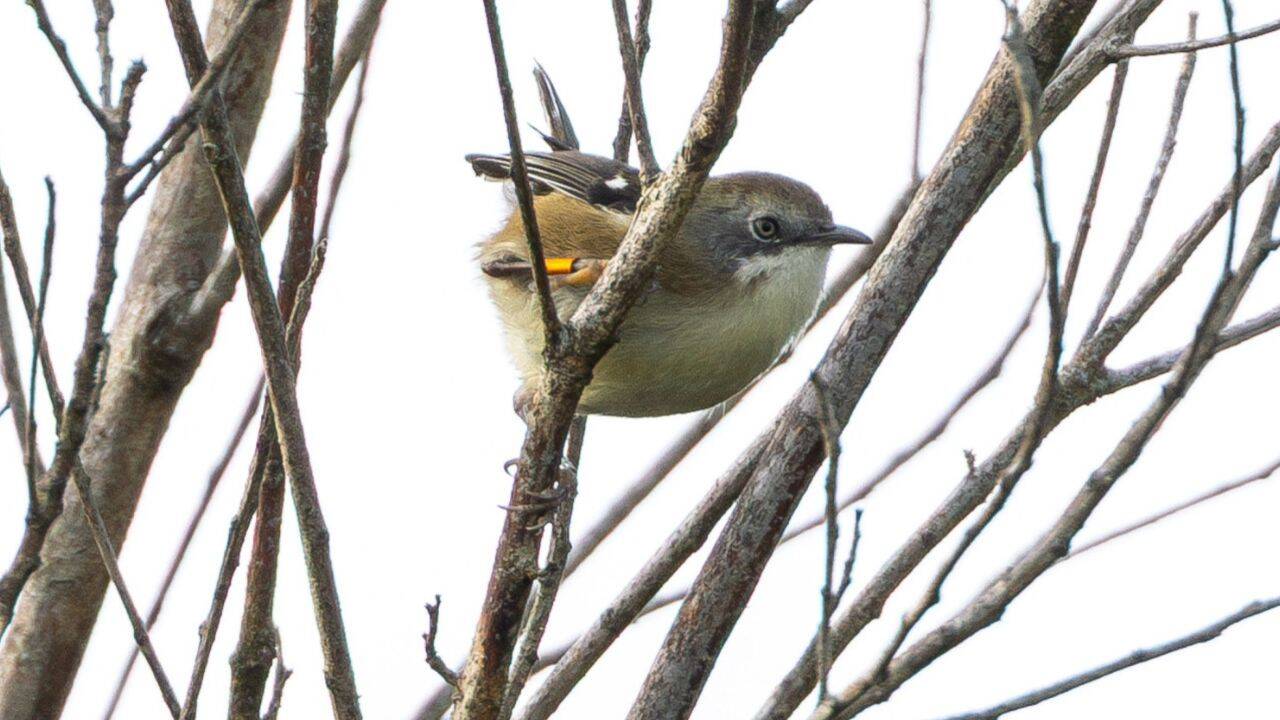
The critically endangered King Island Scrubtit is among the few species AWC hopes to protect at Boulder Wildlife Sanctuary. Its population has dwindled to less than 100 people, spread over three isolated known areas.
This bird is less common in terms of population than the California Condor, with 500 individuals, the New Zealand Kakapo, with 250, and the Whooping Crane, with 600.As a resident bird, the King Island Scrubtit depends on mature, dense forests, especially swamp bark (Melaleuca ericifolia) forest. Much of this land has been cleared for agricultural use or destroyed by the changed fire laws. The subspecies is of high conservation value under the Australian Government’s Endangered Species Action Plan.
AWC targets cats and weeds to protect King Island’s rare wildlife
The AWC plans to begin with a comprehensive ecological survey to establish a scientific baseline for wildlife at the Boulder Wildlife Sanctuary. Initial work will include wildlife and weed control, fire management planning and landscape restoration to improve connectivity where possible. The organization intends to expand its efforts beyond the area to address threats throughout King Island, particularly feral cats.The conservation work comes as the island’s wildlife faces an ongoing H5 bird flu outbreak, which has hit shorebirds and marine mammals in Bass Strait. AWC hopes that long-term, science-based conservation and collaboration with local groups will help stabilize and eventually restore the King Island Scrubtit population while protecting other threatened species.