Bay Area homeowners replacing a broken gas furnace starting in 2029 could face an additional $12,500 in costs under new emissions rules, with a new analysis finding the installation of an electric pump to be the most expensive.

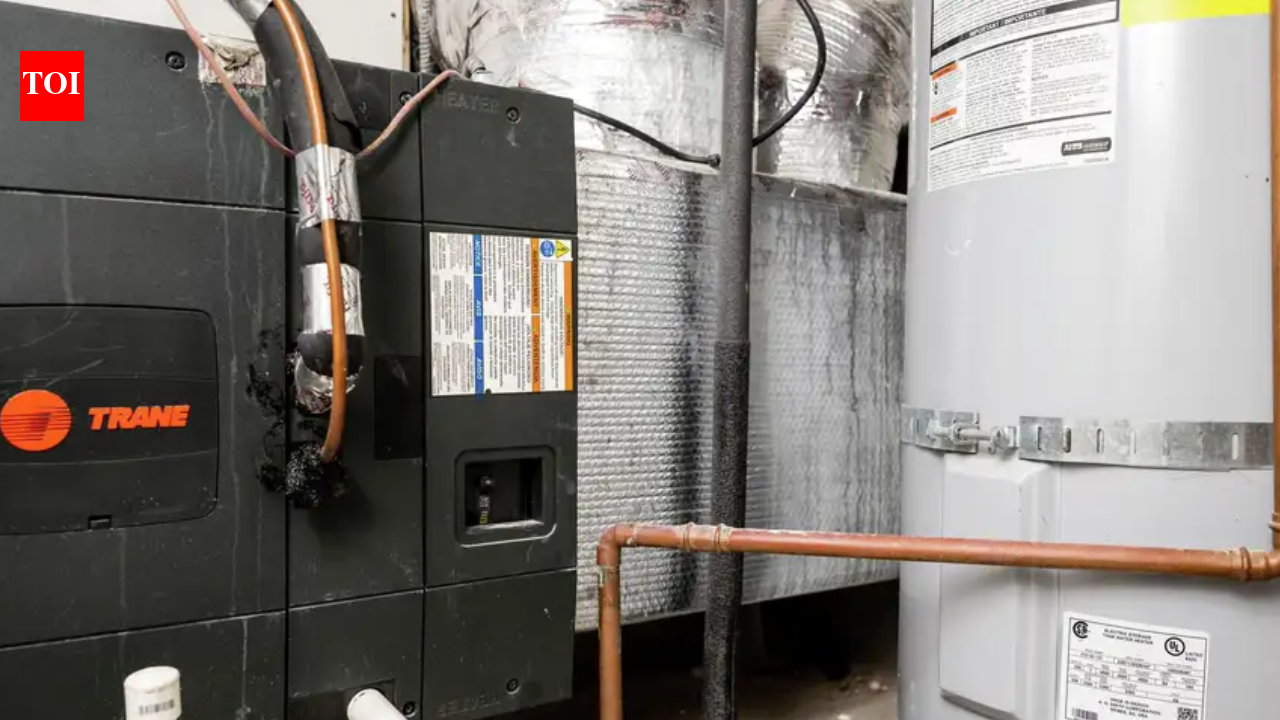
Homeowners throughout California’s Bay Area could face a much higher bill if they replace their natural gas heating systems under the upcoming wind regulation. A new study by the Bay Area Air Quality Management District, reported by the San Francisco Chronicle and detailed in the district’s November 2026 utility report, estimates that switching from a conventional gas furnace to an electric heat pump system could add about $12,526 to the cost of installing a typical single-family home. The requirement is part of Regulation 9, Rule 4, which aims to eliminate nitrogen oxide (NOx) emissions from newly installed natural gas-fired furnaces. Pollution contributes to low-level ozone and particulate matter pollution, which can impact public health and regional air quality. Under the current timeline, the zero-emissions standard will apply to covered fireplaces starting January 1, 2029. The regulation does not require homeowners to remove gas-fired fireplaces. Instead, it restricts the sale and installation of newly manufactured gas appliances that do not meet the emissions standard, meaning households replacing their systems after the deadline will have to consider more compliant alternatives.
Heat pumps can significantly increase upfront costs
A regional cost assessment highlights the financial differences between conventional heating systems and electric alternatives. Installing a standard natural gas furnace in a single-family home is estimated to cost about $8,064, compared to about $20,590 for an electric heating and cooling system.This creates a prior difference of approximately $12,526. However, the financial comparison changes when homeowners also factor in air-conditioning costs. Since heat pumps provide both heating and cooling, households that would otherwise purchase a separate local air conditioning system can see additional costs drop to around $2,095. The difference is especially significant in the Bay Area, where an estimated 60% of homes already have central air conditioning. Existing electrical infrastructure and available space for outdoor equipment can also make installation more cost-effective.
Electricity development remains a concern
Although heat pumps are expected to provide long-term savings in energy costs, initial installation may be more difficult for buildings requiring electrical upgrades. According to Air District estimates, an electrical panel and service upgrade can cost several thousand dollars and, in extreme cases, exceed $20,000. About 3% of single-family homes and 10% of multi-family buildings in California are estimated to have electrical panels that may require upgrading to be fully electrified.Infrastructure limitations may also affect installation times. Data cited in the report show that utility upgrades can take more than 300 days for single-family homes and more than 500 days for multi-family buildings. This change can create additional challenges for apartment owners and tenants, especially in older buildings where electricity is limited. The district also identified the possibility that landlords would pass on some of the costs of improvements to tenants.
Homeowners could save on energy bills
Despite the high upfront investment, electric heat pumps can reduce household energy costs in the long run. A study covering three Bay Area climate zones found that homes that install low-efficiency heat pumps can save between $167 and $474 in their first year. The most efficient flexible systems can save an average of $364 to $733 per year, depending on location and equipment.However, the actual savings will vary depending on electricity rates, energy consumption and whether the property already has an air conditioner. Availability of financial aid is another consideration. The Air District’s November inspection noted that federal rebates for residential heat pumps have decreased, while state rebates through the TECH Clean California program have been fully registered since September 2026. Many local programs continue to offer incentives that typically range from $1,000 to $3,000.
Changes in regulation are still possible
The 2029 deadline has not been fully resolved. The Bay Area Air District has been exploring implementation challenges through a working group involving more than 40 stakeholders, including housing representatives, technology experts, manufacturers and government agencies. District staff are scheduled to present their findings to the Board of Directors on December 2, 2026. Potential changes may address buildings that require extensive electrical work, buildings without existing air conditioning systems and situations where installation costs are difficult to control. The furnace regulation follows a separate requirement that covers residential water heaters. Under the revised timeline, small natural gas burners will meet zero-NOx requirements starting January 1, 2028, which may require another round of equipment replacements for affected households.Reducing emissions from residential and commercial buildings is a primary goal, but recent cost assessments emphasize feasible infrastructure and financial difficulties.
Source link