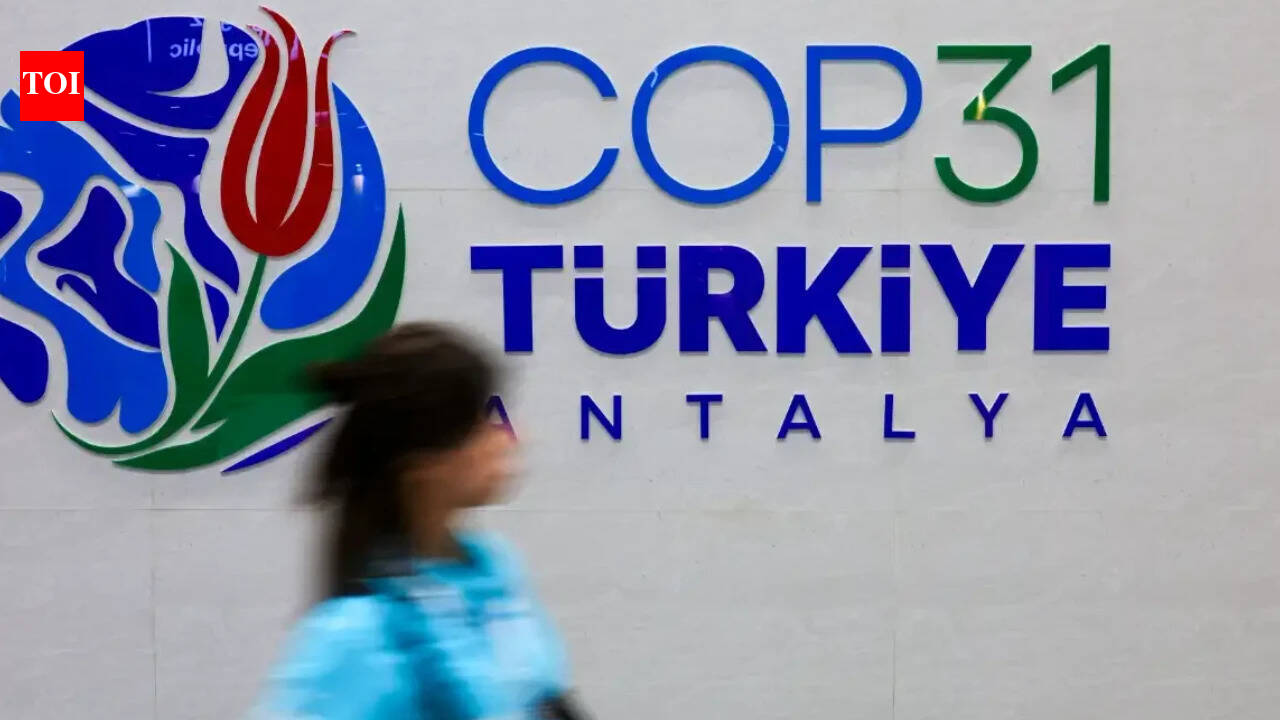
Several countries participating in COP31, the 2026 UN Climate Summit in Antalya, Türkiye, strongly opposed the latest draft agreement, which notably omits any reference to “fossil fuels” – the main cause of global warming.Also read: COP31-UN climate talks enter second day of overtime amid fossil fuel rowThe draft, released early Sunday morning (local time) by Türkiye’s environment minister Murat Kurum, also does not mention any clear commitment to phase out coal, oil and gas, which are major contributors to climate change.Negotiators have been given just three hours to argue or propose changes before the draft agreement is sent to what could be the final meeting of the conference. Participating countries will then decide whether to accept or reject the agreement, or to officially register their reservation.The draft requires mutual agreement among participating countries to be ratified.It includes specific targets for support for technologies that capture and store carbon emissions, an approach that remains highly contested and supported by the oil industry.The conference, which started on November 9 and was supposed to end on Friday, has entered the second round of overtime.Organizers fear that as negotiators leave Antalya, there may not be enough delegates left to get the draft agreement ratified.Panama has vowed to formally oppose any final agreement that fails to limit oil production, acknowledge failure to meet global warming targets and increase financial support to countries that agree to climate change, among other demands.Panamanian environment minister Juan Carlos Navarro accused the “petroleum mafia” of holding “negotiations” and called for changes in the climate talks process.While the 10-page draft outlines a commitment for the 2023 Dubai deal to transition away from fossil fuels, it does not explicitly repeat that promise.
What is included in the draft
The framework sets a goal to capture, reuse and store one billion metric tons of carbon through carbon capture and storage technologies, aimed at helping polluting industries reduce their carbon emissions.It also proposes an increase in the share of electricity in final electricity consumption from 21% to 35% by 2035, including the electrification of transport and industrial production.
Climate finance has not been resolved
Climate-vulnerable countries want a clear commitment of financial aid from rich countries to finance climate change. Previous COP conferences have committed to triple funding but have not established a specific funding base.
Negotiations continue beyond the deadline
Negotiations continued on Sunday, almost 40 hours after the official deadline. The next UN climate conference is scheduled to take place in Addis Ababa, Ethiopia, in November 2027.(Courtesy of AP)
Source link