Good news from Cop31? That many governments of the world say no to an agreement deprived of meaning | Bill Hare

THis failure of Cop31 in Antalya was a line in the sand, a victory for many cultures as countries stood up to the big producers of fossil fuels and said no. The document they rejected did not even recognize the dire weather we were dealing with, let alone indicate the definitive removal of fuels.
Interestingly, many world governments rejected the meaningless agreement. And the power of one fossil fuel producer, Saudi Arabia, needs some scrutiny. What we also know is that co-hosting global climate talks is not something to be repeated, certainly not for Australia. It didn’t work.
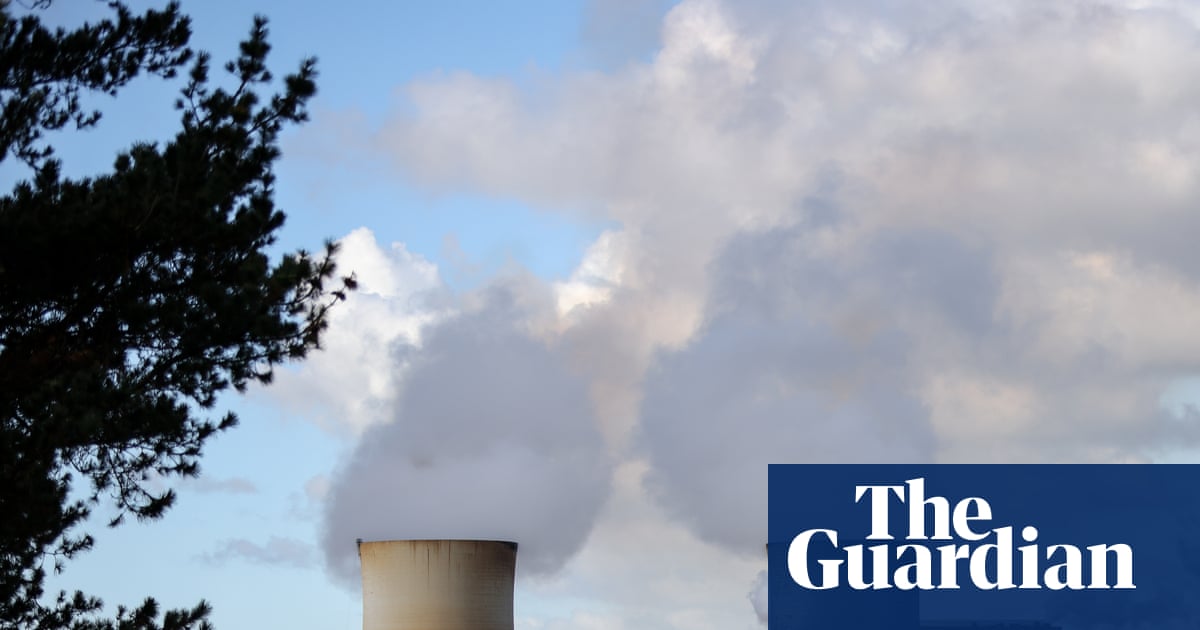
Governments have spent the last 35 years negotiating a global response to preventing “dangerous disruption” of the climate system. Over the same period global warming has increased to 1.4C, with observed warming now increasing by more than 0.3C per decade. Now, we face an imminent breach of the Paris agreement’s 1.5C warming limit.
Successive Australian governments have denied the problem exists – or talked at length about how they are playing their part.
And what a role it has been! Australia’s coal exports have tripled since 1991; LNG shipments increased 20 times. Australia now contributes about 4.3% of global fossil carbon emissions through both its domestic activities, and as the third largest producer of fossil energy of all time.
Now that Australia’s efforts to hold successful climate talks have largely failed to deliver on a global scale, we must turn to an urgent question: what will the government bring home to Australians?
The prime minister, Anthony Albanese, called this decade “critical” in the fight against climate change. He told leaders at Cop31 that they had a “responsibility” to act – and said it was all part of some degree of warming to prevent things.
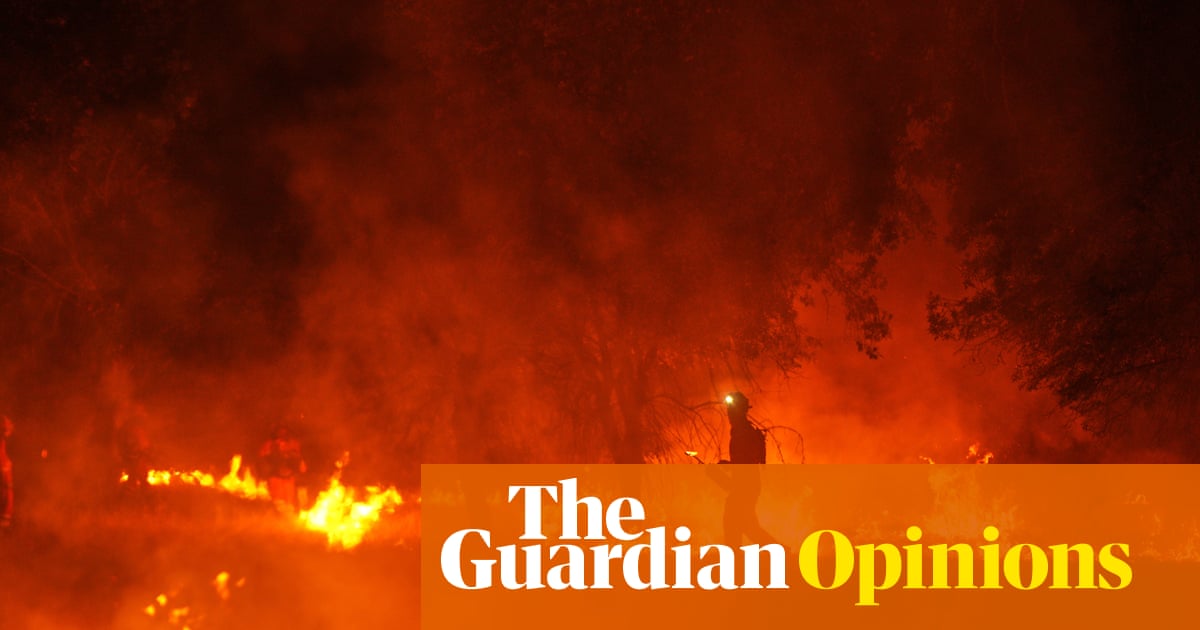
If anyone needed confirmation of that during the past year, they only had to turn on the TV news or, in some cases, leave their house. From Adelaide to Sydney, the southeast was reported in January. Bush burned, homes burned, lungs filled with smoke. Can you guess what makes the heat so brutal? And such strong floods?
Further, in the countries that provided the Australian colony with most of its population, things were equally difficult. Italy, Greece, Britain, Spain … all of Europe erupted in the summer, leaving an estimated 50,000 people prematurely dead.
South and East Asia (many of which are our LNG markets) shared the pain, with temperatures reaching 52C close to lifeless in Pakistan. Everything is driven by climate change; everything is fueled by fossil fuels.
So that is a reasonable framework when you hear government ministers from the prime minister coming down to celebrate new discoveries in petroleum, talking about how the country is benefiting from the export and export of coal, oil and gas.
What we are sending is the pain of the weather.
The government apparently hasn’t turned on the TV news or left its house this year: it has been too busy planning to keep coal and gas exports close to current levels for the next decade, by which time global emissions should be halved.
In Australia’s approval pipeline are four “carbon bombs”, which scientists describe as projects that could emit a billion tonnes or more of CO2 emissions. Off the West coast of Australia are the Pristine gas development at Scott Reef, the Valhalla fracking project in WA’s Kimberley north, the Beetaloo basin fracking project in the Northern Territory, and the massive Hunter Valley Operations coalmine in New South Wales.
Albanian ministers have shown little but full support for these ongoing projects. Is it any wonder that we left Antalya without an agreement?
Rather than a decision to build on the transition from the mineral road map (TAFF) established by Brazil, the only indicator of the remaining fuels in the final document provided by Turkey is the industry’s favorite technology to get out of jail – the use of carbon capture and storage (CCUS).
The Australian government has already thrown its weight behind CCS, including special legislation to allow offshore CO2 dumping, without evidence of its effectiveness. It is an open secret that the world’s largest CCS project Chevron’s Gorgon project has spectacularly failed to deliver but this has not stopped the government from supporting this failed technology.
We couldn’t even see the call for 35% of electricity by 2035 to be “clean” even though the science clearly shows that if it isn’t clean it will increase fossil gas consumption – adding a tenth of the rate of warming by mid-century.
Indeed, although the prime minister says every tenth of the warming issues, his problem is that lowering the temperature every tenth means that his beloved gas industry loses more market share.
This week the premier of WA, Roger Cook, is heading to Japan with gas giant Woodside – to talk about LNG markets.
He is unlikely to go there to tell the LNG industry what is needed to limit warming to 1.5C.
He also won’t mention the International Energy Agency’s report last week showing that to limit warming to 1.5C, fossil gas demand would drop by nearly 40 percent from 2025 levels by 2035, driven by rapid end-use electrification, efficiency improvements, and a shift to renewable gas-fired power.
Australians look to their federal and state governments to protect them from the horrendous damage of climate change, but those governments appear to be focused on exacerbating much of it. And co-hosting the climate talks apparently didn’t help.
The government says it is serious about climate change. You will know them by their fruits.
Source link