‘Rs 50,000-60,000 monthly profit’: Man discovers how his chef’s son runs a smartphone screen protector business |

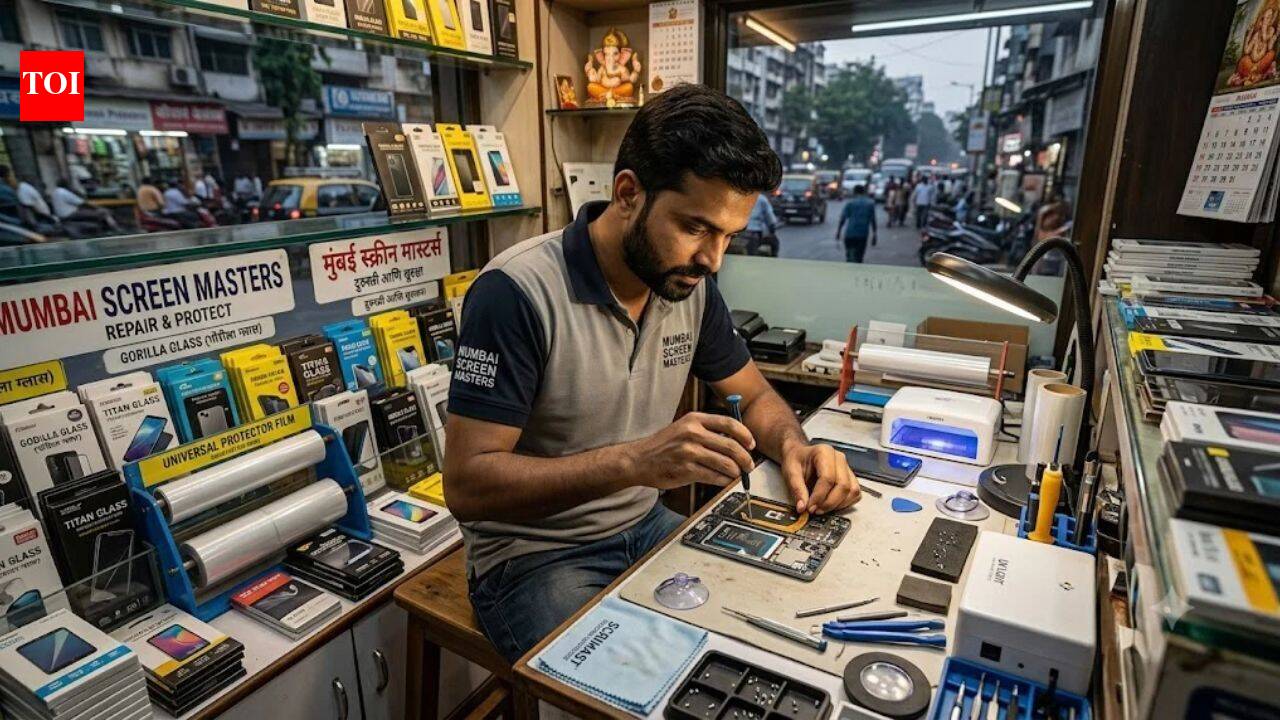
A simple conversation about household expenses led to a surprising business discovery for a man named Pratham, who discovered that the son of a home cook was making a living by providing smartphone screen protectors to local shops. What caught his attention was not just the reported monthly profits, but how a small setup could help stabilize the market.The story, shared by Pratham on X, began when he asked his cook how he manages his family’s finances. The chef explained that he was earning money for his work and that his son had a cool glass business. Pratham initially thought that the young man had a small mobile phone repair shop. However, as he learned more about the business, he discovered that the son was operating a screen cutter and supplying products to nearby stores. Curious to know how the operation worked, Pratham asked his chef to bring his son to learn about the business for himself.
A machine of Rs 70,000 and a straightforward process
According to Pratham’s writing, the young businessman had invested in a glass cutting machine worth around Rs 70,000. The machines allowed him to cut screen protectors according to the needs of different smartphone models. Discussing what he learned from the interview, Pratham wrote, “The next day, his son told me about his plan: A glass-cutting machine for Rs 70,000 and he told a simple process that should work.”The business model described in the post relies on producing screen protectors for specific phone models and offering them to local cell phone stores. Pratham said the machine can cut through a guard in about 30 seconds, making it possible to fill orders quickly. He also shared the reported cost and sales price. Each screen protector costs around Rs 8 to Rs 10 to produce and is sold to retailers for around Rs 25 to Rs 30.Based on these figures, the difference between the stated production cost and the retail price is about Rs 15 to Rs 22 per piece, before accounting for other costs. This can include electricity, packaging, transportation, machine maintenance, waste and other operating costs. Pratham said the business makes a monthly profit of around Rs 50,000 to Rs 60,000. However, these figures are from his social media account and have not been independently verified. Actual profit will depend on the number of units sold, operating costs and demand consistency.
How a small business can operate in local mobile stores
Smartphone screen protectors are widely used to protect device displays from scratches and daily wear and tear. Since different phones have different screen sizes and designs, vendors need protectors that fit specific models. A cutting machine can help businesses produce protectors according to digital templates rather than relying entirely on predetermined inventory. This can be useful for stores that cater to customers with very unusual or new smartphone models.It is important, however, to distinguish between cutting a screen protector and producing tempered glass from raw materials. The process described in Pratham’s post seems to involve cutting the protectors to size. It does not guarantee that a young entrepreneur produces cool glass from scratch.This method also shows how a small business can work with business-to-business sales. Instead of relying solely on individual customers, the entrepreneur provides nearby mobile stores, which can sell products to consumers. Regular vendor orders can help create repeat demand, although the business will still need to maintain product quality, competitive pricing and reliable supply. For Pratham, the discovery was a reminder that business opportunities are not always obvious. A conversation that began with a question about managing the family’s finances led him to a small manufacturing and supply business that he never expected to find close to home.
‘The best business ideas are hiding next door’
Pratham summed up the lesson from the meeting with a simple comment: “Sometimes, the best business ideas are hiding around the corner.” The post also attracted comments from users who saw the story as an example of an entrepreneur built on a specific need. One user wrote, “You never know the depth of a person’s voice until you hear their story.”Another commented, “This is a great example of how a small business can work when the economy is easy. Low entry costs, fast production, decent margins and repeat B2B customers.” A third user said, “Easy setup, clear demand, and strong margins. Sometimes the best businesses hide in plain sight. “Although reported salaries cannot be taken as a guarantee of success for anyone entering the same field, the story highlights the importance of understanding local demand before starting a business. A modest machine, a clearly defined product and relationships with nearby vendors can form the basis of a small business. The most striking part of the account is that the opportunity did not arise from a complex business plan or a large investment. It came from seeing a real need and finding a way to meet it. As Pratham’s discussion suggests, sometimes a simple exchange can reveal an entire business model that may otherwise be invisible.
Source link