US wildlife partners have spent years protecting more than 1,700 acres along the shores of Wisconsin’s Lake Superior; the project has restored wetlands, rehabilitated invasive plants and reconnected freshwater habitat


A multi-year conservation project along the shores of Wisconsin’s Lake Superior has helped protect more than 1,700 acres of land, restore wetlands and improve habitat for fish, migratory birds and other wildlife. The project brought together the US Fish and Wildlife Service (USFWS) and the Landmark Conservancy, a non-profit organization based in Menomonie, Wisconsin. Supported by federal funding and the Great Lakes Restoration Initiative, the effort focuses on protecting connected natural areas along the southern shore of Lake Superior. As reported by the US Fish and Wildlife Service, the conservation effort was aimed at maintaining healthy forests, wetlands and streams while protecting Lake Superior watersheds.
Why the shores of Lake Superior are important
In northern Wisconsin, rivers and streams flow into Lake Superior through forests, wetlands, and cold water channels. These connected habitats support brook trout, migratory birds and other wildlife, while helping to maintain the health of the broader Great Lakes ecosystem. This region is known to biologists as the area of the south coast streams. Protecting it is important because the landscape around rivers and streams affects the habitats and water they support. According to the US Fish and Wildlife Service, the Landmark Conservancy has worked with interested landowners to identify conservation opportunities in the Whittlesey Creek, Iron River, Marengo River, Pokegama River and White River watersheds.This project used conservation resources as one of its main tools. These covenants can help protect the land from certain types of future development while allowing owners to retain ownership, depending on the terms of the covenant. They also help conservation groups to protect habitats that are connected to all the different structures.
The wetlands have been restored and 25 hectares have been managed for invasive species
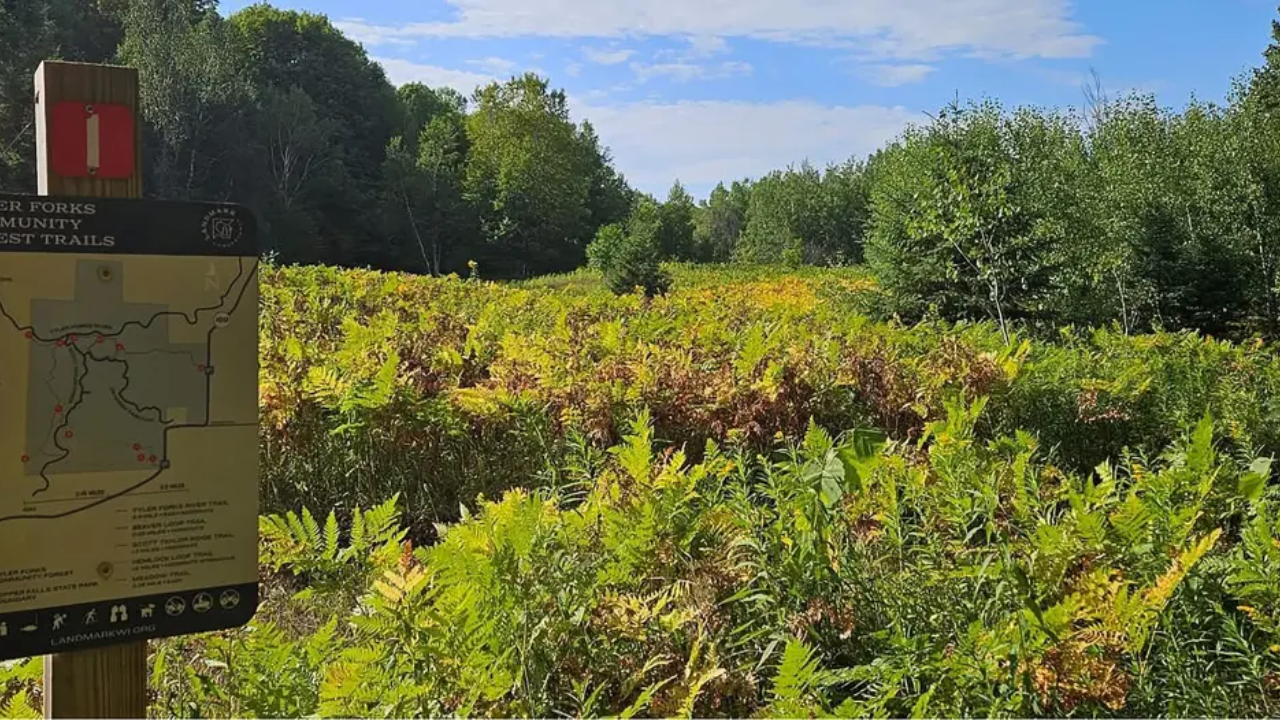
Photo credit: Tyler Forks Community Forest, Landmark Conservancy, Copyright, All Rights Reserved
This mission involved more than protecting the land. The Landmark Conservancy also does restoration work in public forests in northern Wisconsin. According to the US Fish and Wildlife Service, the project included planting trees in forested wetlands, using native plants to restore their habitat and treat 25 acres of invasive species. Invasive plants can spread into natural habitats and compete with native plants, changing the conditions on which local wildlife depends. Treating affected areas can help native plant communities recover and improve environmental quality.Planting conifers in forested wetlands and restoring native grasslands were also intended to support the long-term health of the area. The conservation work covered more than 1,700 hectares, but the agency’s report does not describe the entire area as newly restored. Reference is made to global conservation efforts, as well as specific efforts to restore and control invasive species.
Partnerships involving landowners and conservation groups
The Coastal Program of the US Fish and Wildlife Service supported the Landmark Conservancy’s multi-year project. Local landowners played an important role by working with the organization to identify areas where conservation measures could be implemented. The partnership also focused on defining conservation needs and helping landowners understand how protecting natural areas can improve the long-term sustainability of the Great Lakes region.This project was selected as part of the broader goals of the Great Lakes Restoration Initiative’s Action Plan IV. It described the project as an example of how government financial support, local expertise and voluntary conservation can work together. The Great Lakes Restoration Initiative is led by the US Environmental Protection Agency and involves more than a dozen federal agencies, including the US Fish and Wildlife Service. Its work addresses major environmental concerns affecting the Great Lakes.
What happens next?
Protected areas are expected to continue to provide habitat for wildlife, maintain connectivity between ecosystems and support the health of aquatic ecosystems. According to the US Fish and Wildlife Service, relationships built between landowners and conservation partners can also create opportunities for future conservation work. The project is part of a broader effort to protect the Great Lakes, which support wildlife and the communities that depend on the region for drinking and recreational water.
Source link